
Finding Hidden Trouble Above Your Ceiling Tiles
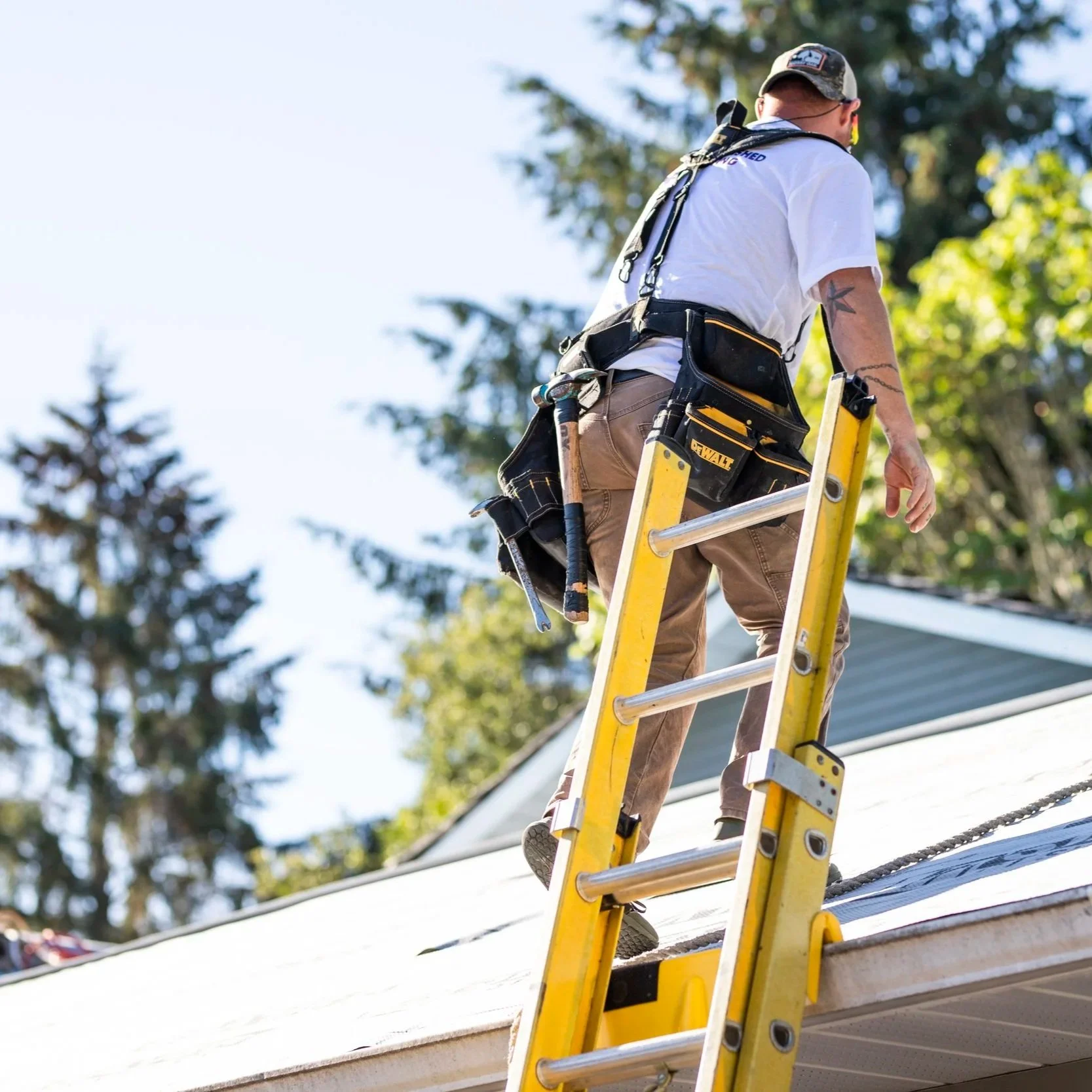
The attic space, rafters, insulation, and roof decking all have stories to tell, and professional inspectors are fluent in roof speak.
Roofs love to put on a good front. From the curb, everything may look flawless. No missing shingles, no flapping pieces, no puddles forming ominously. But above those ceiling tiles, out of sight and out of mind, a quiet storm of problems may already be brewing.
Professional roof inspections uncover what homeowners cannot see. The goal is not just to confirm that a roof exists and hasn't flown away. It's to investigate hidden vulnerabilities that could lead to leaks, rot, or worse if left unchecked. The attic space, rafters, insulation, and roof decking all have stories to tell, and professional inspectors are fluent in roof speak.
When Your Ceiling Starts Whispering
Watermarks on ceiling tiles are like the roof's nervous tell. A stain here or a bubble there is often the first clue that water has made itself at home above the ceiling. Unfortunately, by the time it shows up below, it has already done plenty of exploring above.
During roof inspections, professionals trace back the water's journey. That stain in the corner might have started near a flashing seam fifteen feet away. Moisture doesn't always follow straight lines. Skilled inspectors know how to follow its trail, even when it meanders through insulation and around joists.
Vents, Fans, And The Sad Truth About Moisture
Bathroom vents and attic fans may be working hard, but if the ventilation isn't balanced, moisture gets trapped instead of being drawn out. That trapped moisture loves to hang out just above ceiling tiles. Mold forms quietly. Wood softens. Insulation clumps into sad, soggy masses.
Roof inspections include a full review of ventilation health. Soffit vents, ridge vents, and mechanical fans all play a role in keeping the attic air dry and circulating. Professionals test airflow, look for blockages, and check that all parts of the system are working together, not competing for control.
Flashing Fumbles That Let Water Sneak Inside
Flashing may be small, but its role is huge. Around chimneys, skylights, dormers, and vent stacks, flashing keeps water from slipping into the roof structure. One cracked section or a failed seal can lead to weeks of water infiltration before anyone notices.
Inspections always include a thorough examination of flashing conditions. Roofers check for rust, lifting edges, failed sealants, and gaps behind siding or brick. Sometimes, flashing problems appear minor until the attic reveals the truth. Watermarks around ceiling tiles often point right back to these tiny troublemakers.
Shingles That Misbehave Quietly
A missing shingle gets attention. A lifted or cracked one might go unnoticed until it rains hard enough to cause a drip inside. What makes it tricky is that shingles often hide their wear well. They may look fine until a closer examination reveals granule loss, edge curling, or subtle cracks.
Roof inspections involve carefully walking the roof and checking how each section withstands the elements. Professionals test adhesion, spot hail bruises, and look for color inconsistencies that indicate wear. They also watch for nail pops and previous repairs that weren't quite as solid as they appeared from the ground.
Gutters That Spill More Than Rain
Clogged gutters don't just lead to overflows. They also cause water to back up under the shingles, especially at the edges. That water then seeps into the fascia, the roof decking, and eventually finds its way down to the ceiling tiles inside.
Professionals performing roof inspections verify that gutters are clear, pitched correctly, and draining a safe distance from the foundation. They also look for signs of previous overflows, like streaks down the siding, eroded landscaping, or soft fascia boards. Water always leaves clues, and gutters often hold the first ones.
Skylights That Play Favorites with Leaks
Skylights are beautiful but demanding. Even the best-installed skylight can leak over time, especially if flashing loosens or sealant cracks. Many ceiling tile leaks can be traced back to skylights that began failing quietly, long before anyone noticed moisture.
During inspections, roofers examine the edges of skylights, flashing seams, and the condition of seals around the glass. They check for condensation patterns inside that suggest insulation gaps or poor airflow. If ceiling tiles beneath skylights show stains or peeling paint, that skylight usually has something to confess.
When Boots Lose Their Step
Every pipe or vent that exits through a roof has a protective boot. These boots tend to age, dry out, and crack, especially in hot or cold climates. A cracked boot is a minor issue, but it creates a direct pathway for water.
Roof inspections include checking every pipe boot, every vent collar, and any custom flashing used to seal around odd-sized items. A boot that looks fine from ten feet away may show daylight or gaps up close. Ceiling tile damage near bathrooms or laundry rooms often indicates a leaky boot above.
Decking That Bends but Doesn't Break
Water-damaged roof decking doesn't always sag visibly. Sometimes it softens just enough to lose its strength. During a roof walk, professionals feel for soft spots that indicate moisture has entered the wood. That spongy feel underfoot can mean the roof is just holding on while it waits for a gust of wind to finish the job.
When inspections catch soft decking early, repairs can be focused on a single section. Waiting too long allows mold, rot, and insulation damage to spread. Ceiling tiles may remain dry for a while, but the roof's structural health quietly degrades until it's no longer a quick fix.
Ceiling Tiles and the Attic Drama Above Them
Ceiling tiles don't warp or stain unless something above them starts misbehaving. Professionals know to pop up into the attic and look beyond the leak. Are there water trails running down rafters? Is the insulation damp or showing signs of mold? Does the underside of the roof deck show water streaks, frost lines, or even light shining through?
The attic often solves the mystery of a ceiling leak. Professionals use flashlights and moisture meters to pinpoint issues without relying on guesswork. They look for clues behind HVAC ducting, around chimneys, and under bathroom vents. Every inch of the attic tells part of the story.
Thermal Trouble that Goes Unseen
In poorly insulated attics, the temperature difference between inside and outside leads to condensation. Moisture builds up over time, damaging insulation and leaving telltale signs above ceiling tiles. The result might look like a roof leak when it's actually a ventilation issue.
Roof inspections consider insulation conditions, vapor barriers, and the effectiveness of ventilation. Professionals recognize the difference between roof leaks and climate control problems. Both cause ceiling tile drama, but the solution depends on finding the right culprit.
Leaks That Don't Start at the Top
Sometimes ceiling tile damage stems from issues that begin farther down. Siding leaks, chimney flashing problems, or even backup from clogged vents can lead to interior water damage. Professionals understand how to diagnose problems by tracking the full path of the water.
During an inspection, roofers look beyond the roof itself. They examine transitions between the roof and walls, chimney integrity, and even the slope of the ground outside. They're not just patching leaks—they're stopping the water from entering in the first place.
The Real Value of a Roof Inspection Report
At the end of a professional inspection, homeowners receive more than a checklist. A proper report includes photos, detailed notes, and prioritized recommendations. It identifies the location of ceiling tile damage and provides practical solutions for preventing future issues.
Professionals offer insights that help homeowners make informed decisions. Perhaps the roof has five solid years left, with only minor repairs needed. Maybe it's time to plan for replacement. Either way, a good inspection makes the invisible visible, replacing anxiety with clarity.
Preventing Ceiling Drama Before It Starts
One of the most overlooked benefits of roof inspections is the peace of mind they provide. A yearly professional visit means that minor issues never snowball into disasters. Ceiling tiles stay clean, dry, and unbothered. Attic spaces remain dry and mold-free. Gutters cooperate.
Routine inspections protect both the roof and what lives underneath it. Ceiling tiles are the canary in the coal mine. When something appears to be off, professionals trace it back to its source and resolve the issue with precision.
What Professionals See That Homeowners Miss
It's easy to walk past a slightly stained ceiling tile and chalk it up to humidity or old age. Professionals don't make those assumptions. They pull back the curtain and investigate the story behind every stain. Their knowledge turns small clues into actionable solutions.
Ceiling tiles don't lie. They just quietly wait for someone to read between the lines. A professional roof inspection does exactly that. And in the process, it protects everything under the roof, from the attic to the floorboards, and every ceiling tile in between.
3D Established Roofing is committed to delivering high-quality flat roof installation and repairs, GAF shingle roof installation and replacement, gutter installation and repair, residential roof repairs, and storm damage and emergency roof repairs. Serving Nanaimo and the surrounding areas, we only use reliable materials and reliable installation methods. Fully licensed and insured. Call today!