

Roofing Blog
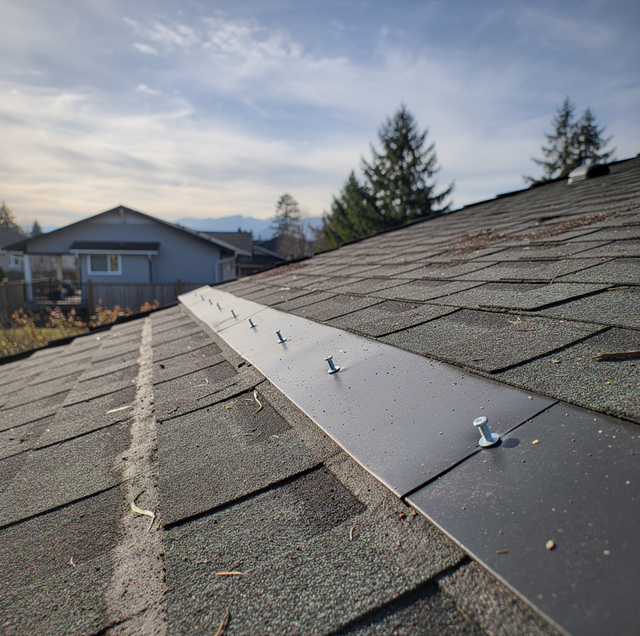
How to Prepare a Roof for a Wet, Windy Winter Ahead
The first real storm of the season rarely waits for a convenient night. Wind pushes rain against your windows, something metal ticks overhead, and you lie there running through everything you meant to check before the weather turned.
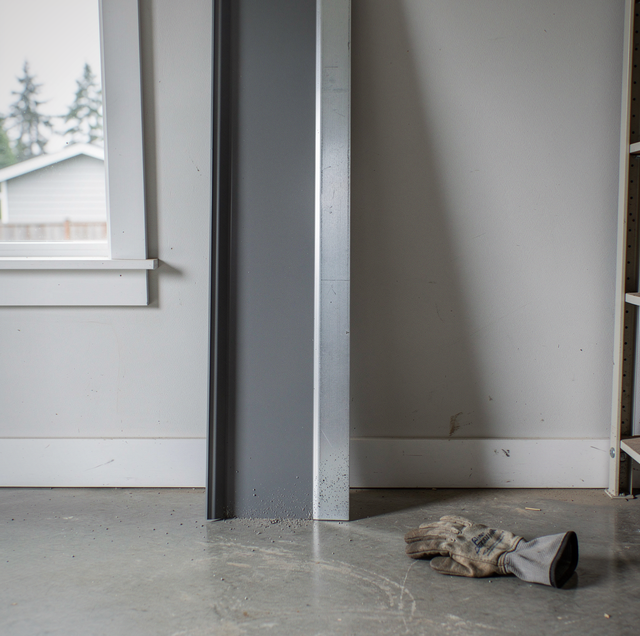
Metal Roofing Near Salt Water — the Coating Goes First
About nine ten-thousandths of an inch of alloy sits on each face of a steel roofing panel, and that layer is the whole barrier between salt and the steel beneath it.
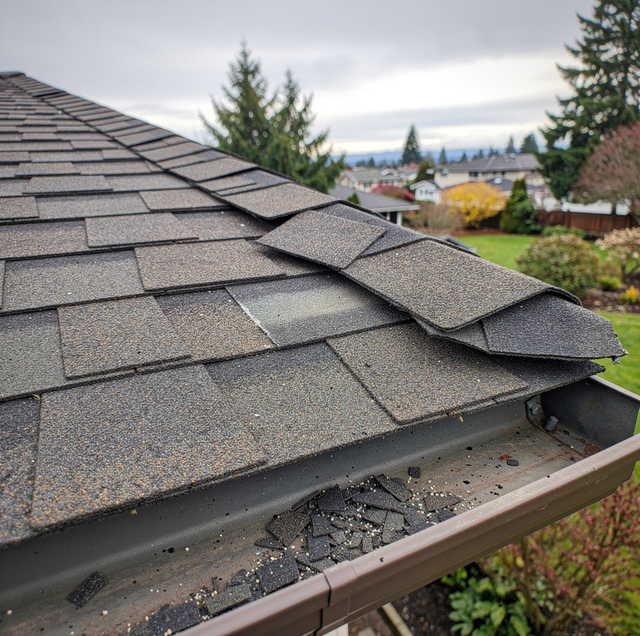
How to Spot Storm Damage After a Coastal Wind Event
A roof can come through a windstorm looking almost the same as it did the day before and still have real damage working underneath it.
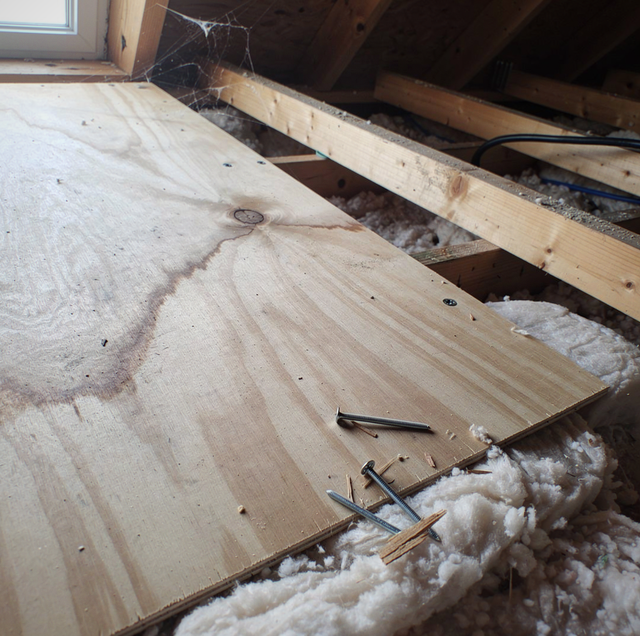
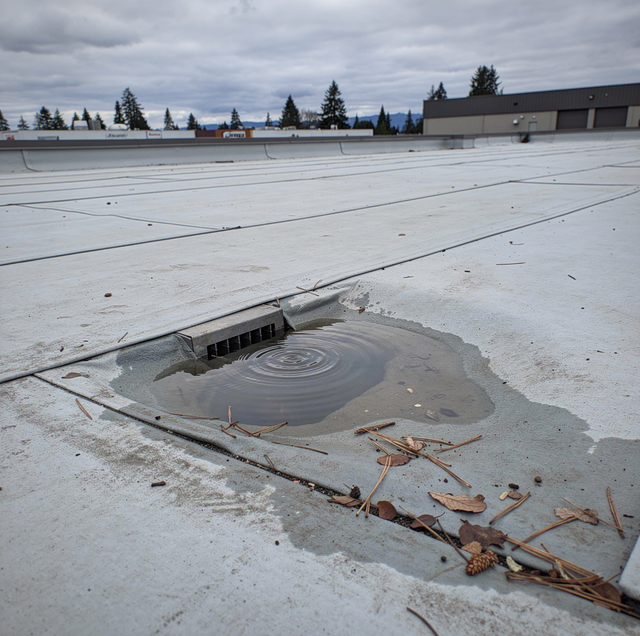
What Makes a Flat Roof Membrane Last Longer
A flat roof membrane doesn't fail all at once. It wears down through a handful of predictable mechanisms, slowly enough that most property owners don't notice until a leak forces the issue.
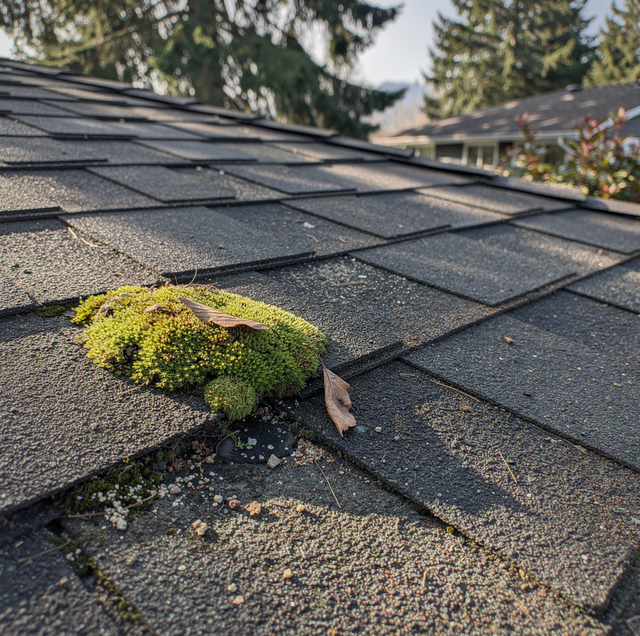
Why Moss and Algae Quietly Cut Years Off Your Roof’s Life
Moss and algae on a roof are often treated as a cosmetic nuisance, something to scrub off before a home sale or a neighbor's comment.
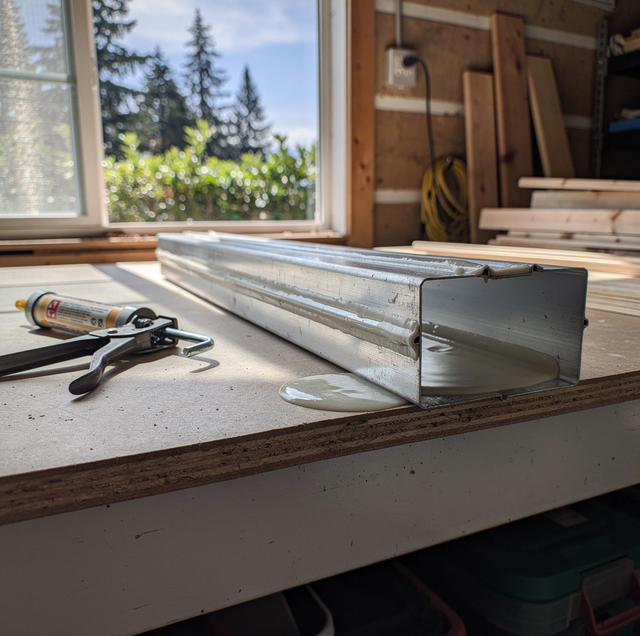
Seamless Gutters vs. Sectional: Which Actually Holds Up?
When a gutter system needs replacing, the real decision usually isn't about color or brand.
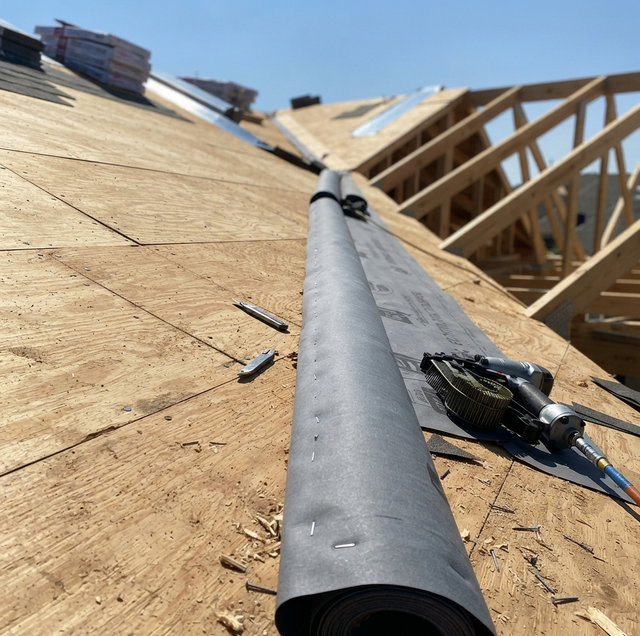
What Roof Underlayment Does: The Layer That Saves Your Deck
Shingles get all the attention because they are the part you can see from the street.
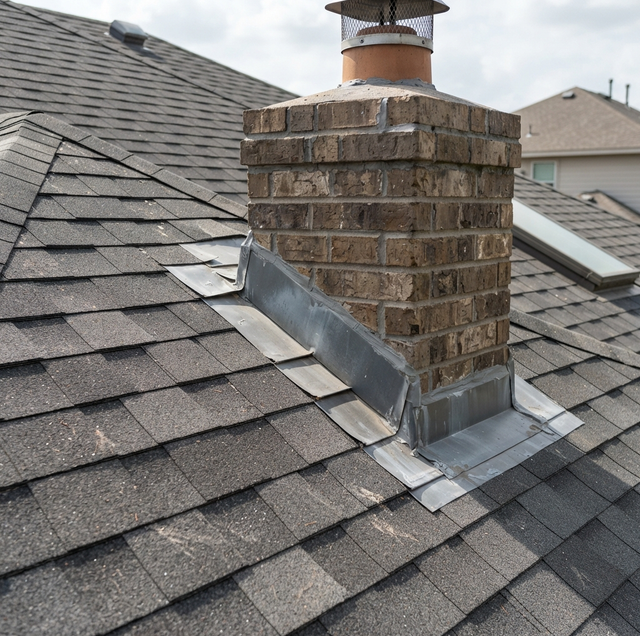
What Is Roof Flashing? The Quiet Guard at Every Seam
Most people think of a roof as a field of shingles, and out in that open field, shingles do their job well.
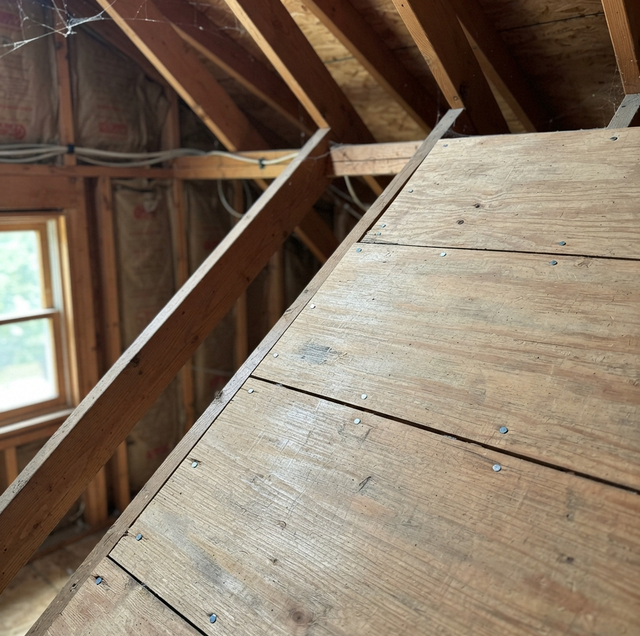
Roof Decking: The Hidden Layer That Holds Your Roof Up
Most people picture a roof as shingles and not much else.
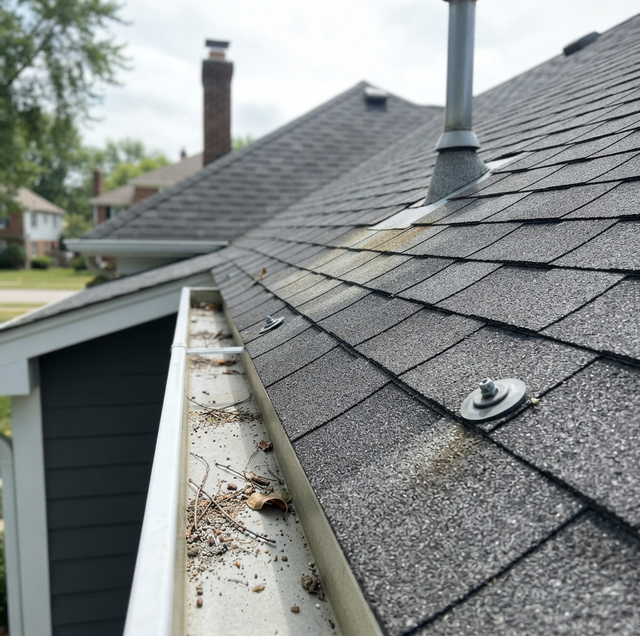
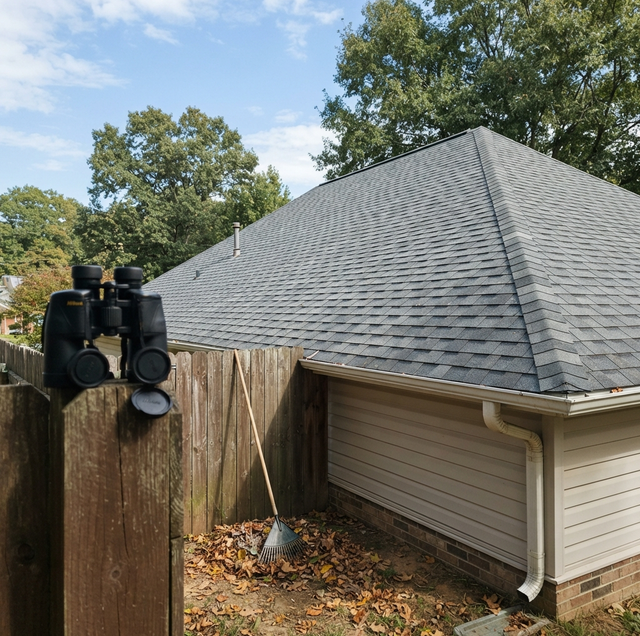
How Often Should a Roof Be Inspected? A Clear Schedule
A roof fails slowly, then all at once.
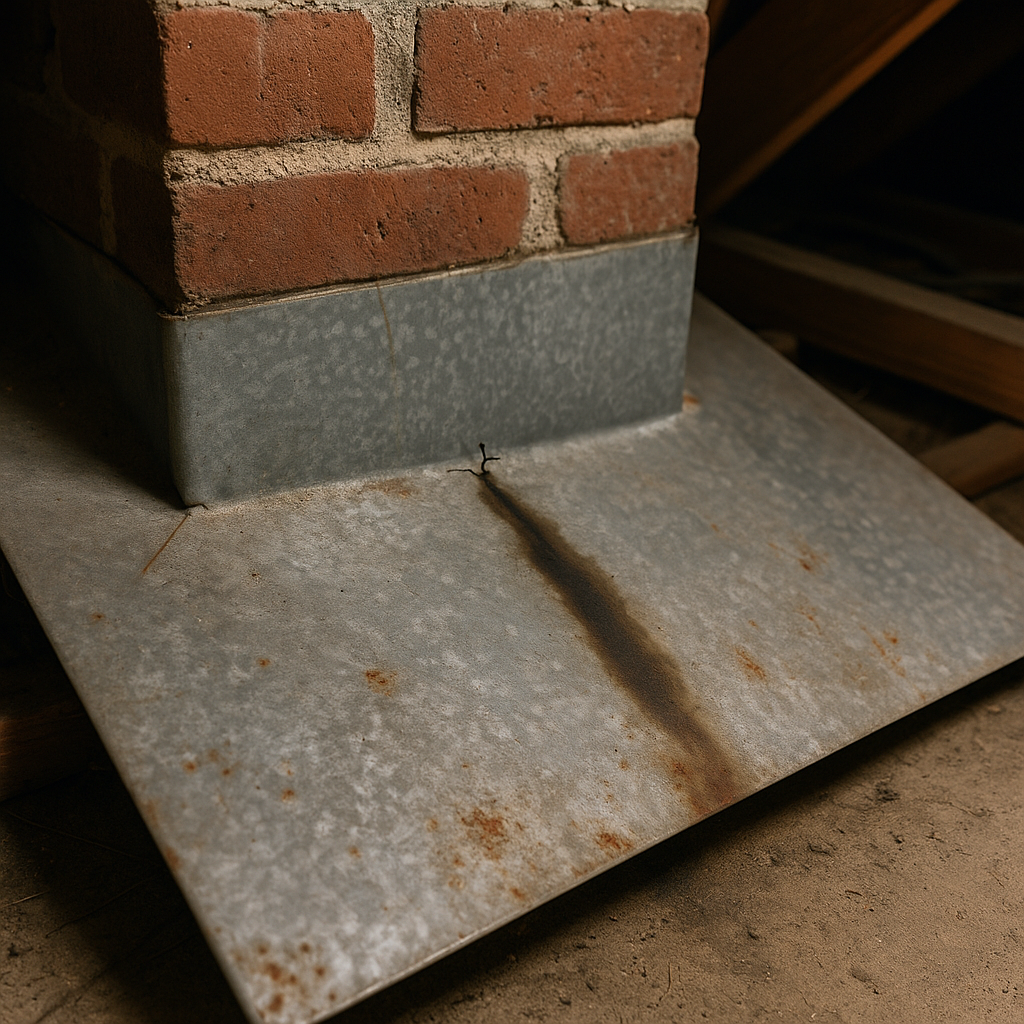
Why Does My Roof Flashing Leak — and Why Recaulking Fails
The stain shows up on the ceiling a few feet from the chimney. You get up in the attic with a flashlight, run a bead of caulk over the joint that looks suspect, and for a few weeks it holds. Then the next stretch of heavy rain arrives, the brown ring darkens, and you are back where you started. If that loop sounds familiar, the problem almost certainly is not the caulk. It is the flashing that the caulk was trying to rescue.
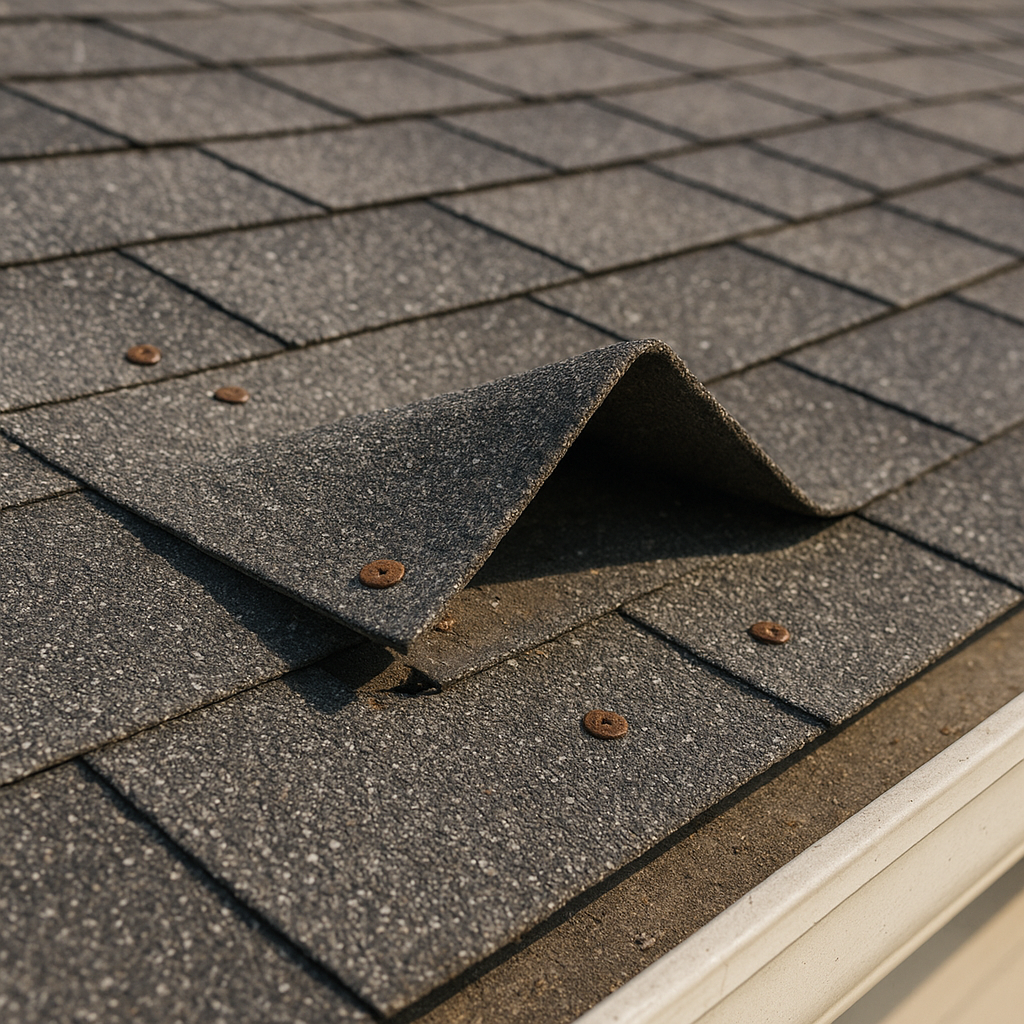
What Causes Shingles to Lift or Blow Off? The Two Bonds That Fail
A single shingle standing up on your roof looks like a small thing. It is not. That lifted tab is the leading edge of a problem that spreads, and understanding why it happened tells you whether you are looking at ordinary wind damage or a defect that has been sitting on your roof since the day it was installed.
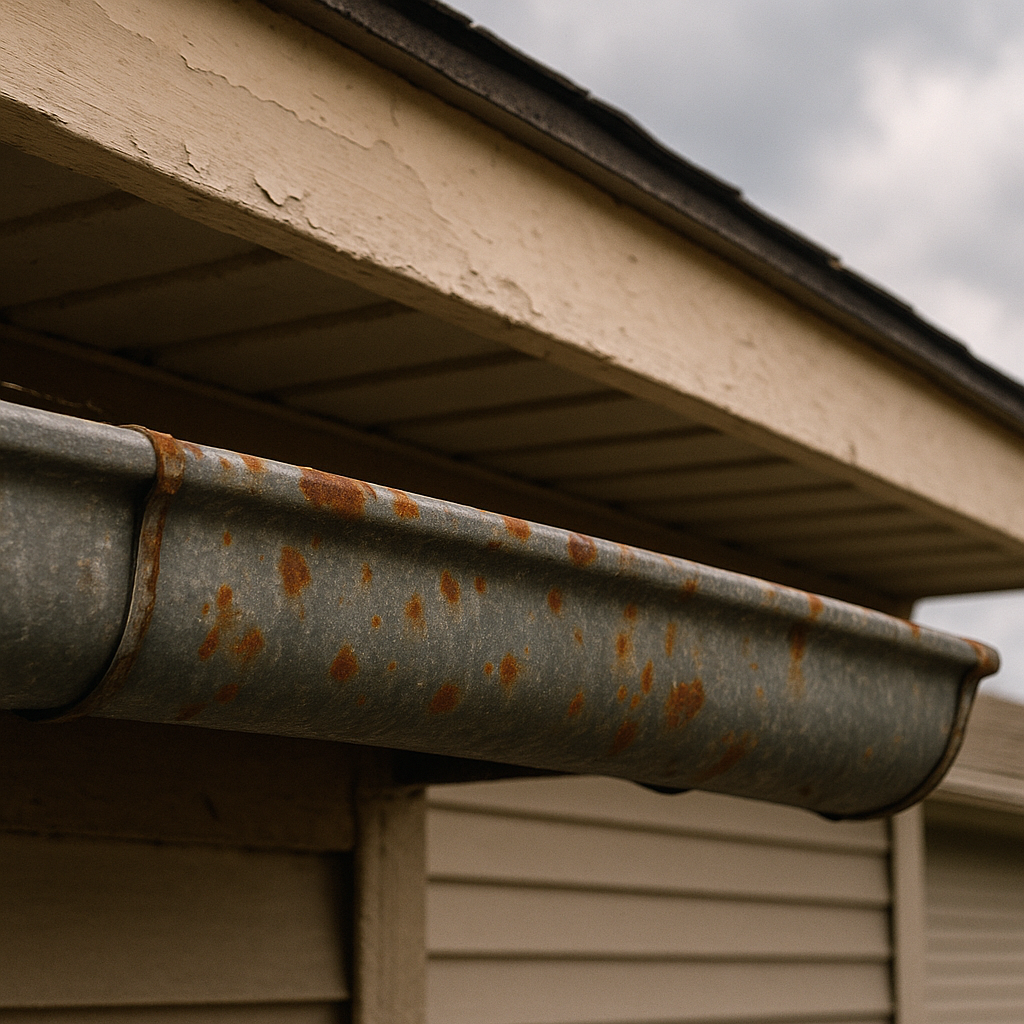
Signs Your Gutters Are Failing (Before Water Reaches the Foundation)
Gutters do one quiet job: they catch the water that sheets off a roof and carry it to a downspout that drops it well away from the house. As long as they work, you rarely think about them. When they stop working, the water does not disappear. It finds the next path down, and that path runs straight across the parts of the house least able to handle it: the wood at the roof edge, the back of the siding, and the soil packed against the foundation.
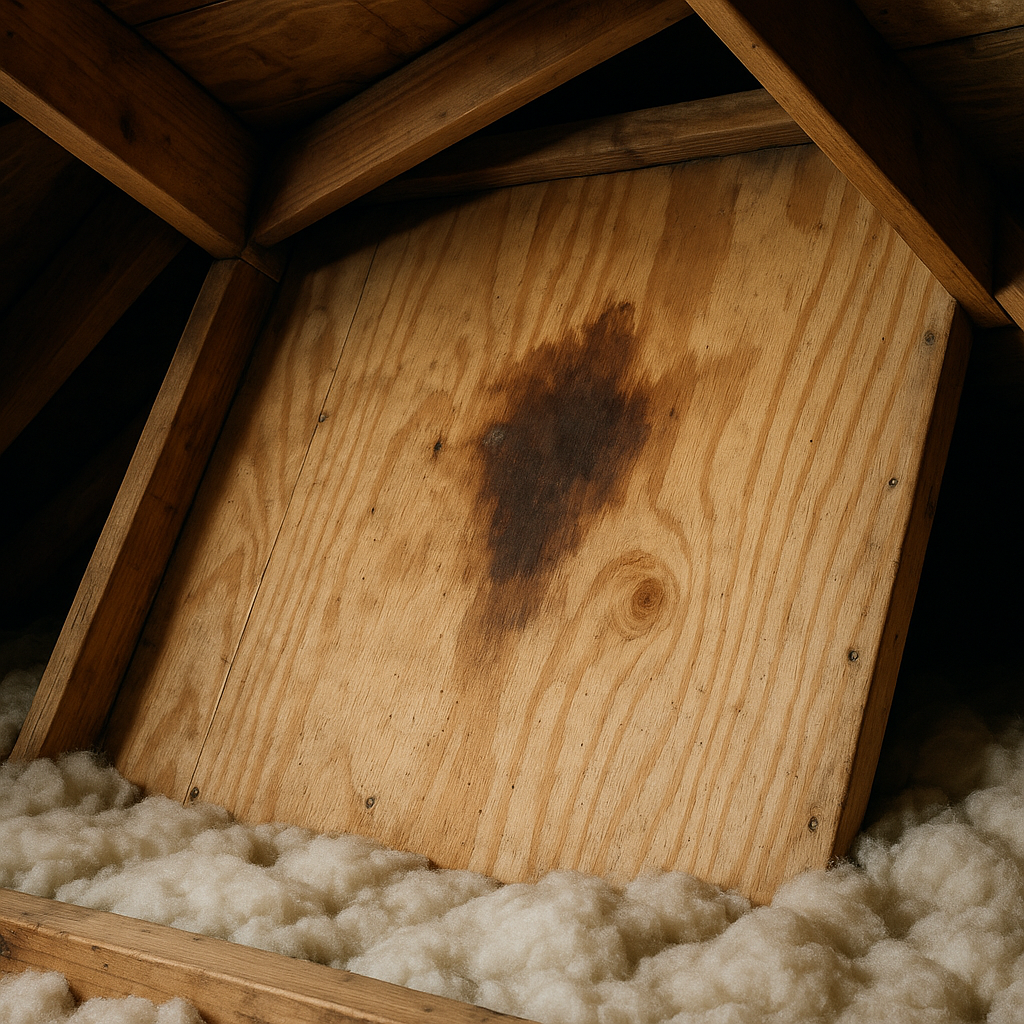
Signs of a Roof Leak Before It Reaches the Ceiling
A brown ring on the ceiling is the roof leak most homeowners recognize, yet it is one of the last signals a leak sends. Water finds its way through the roof, then soaks for a while before enough collects to darken the drywall below. Wait for that ring, and you are meeting the leak near the end of its story, after it has worked through parts of the roof you cannot see from the couch. The earlier signals are quieter, and most live in the attic and along the edges of a room rather than in the middle of the ceiling.
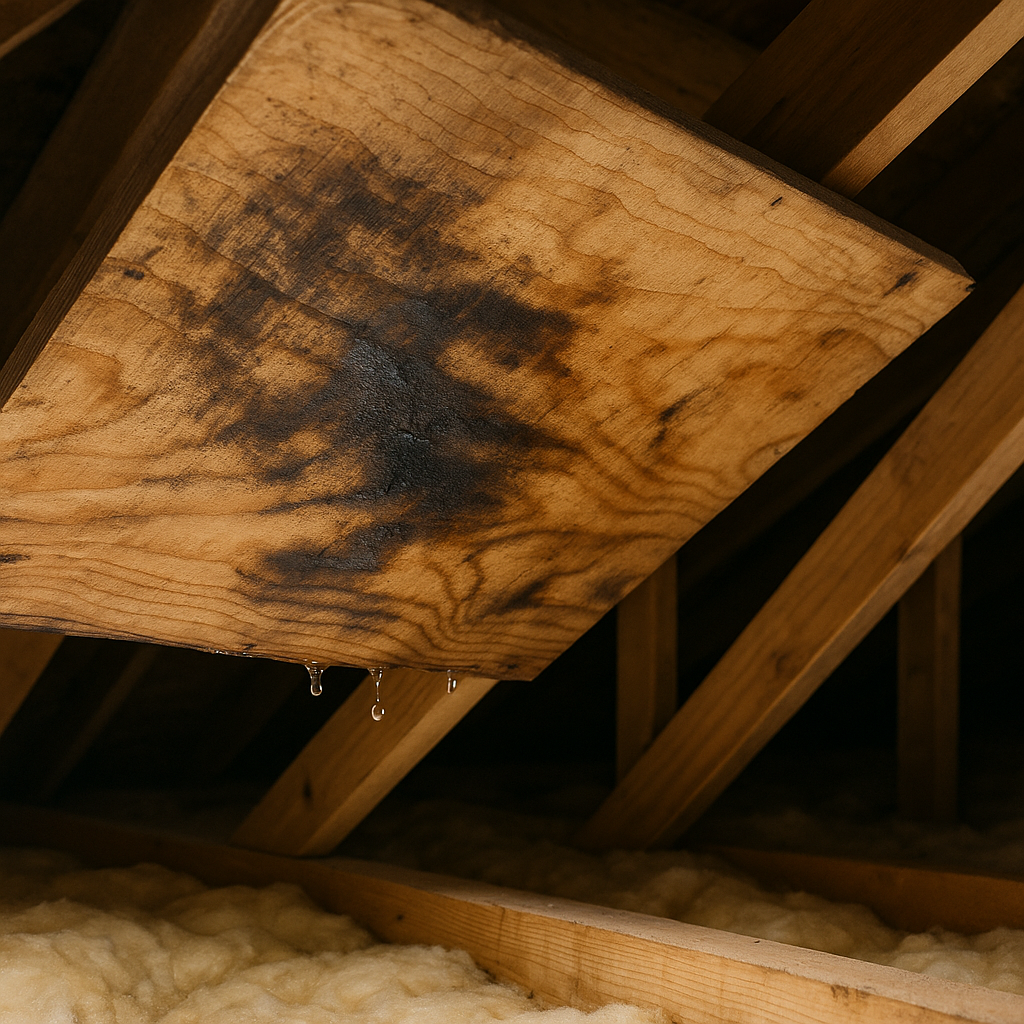
How Roof Ventilation Quietly Prevents Costly Moisture Damage
Most of the water that damages a roof never falls as rain. It rises from inside the house. Showers, cooking, laundry, and even breathing push warm, moisture-laden air upward, and if that air has nowhere to go, it collects in the attic and settles on the coldest surface it can find: the underside of your roof deck. Roof ventilation is the quiet system that carries the air back out before it becomes a problem you can see, smell, and eventually pay to repair.
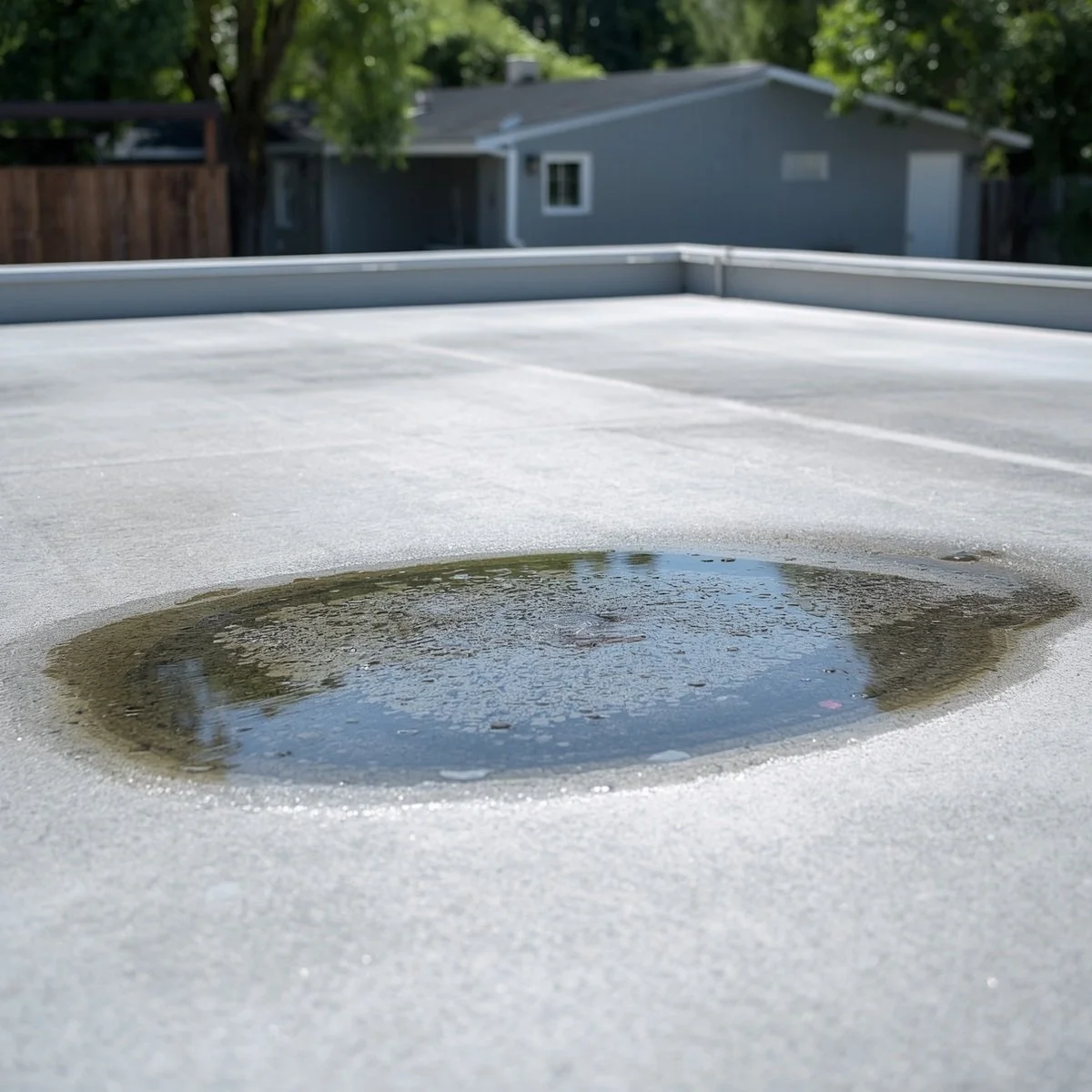
Flat Roof Holding Puddles? Why Standing Water Is a Real Risk
A flat roof with puddles sitting on it after the rain looks like it's just doing what flat roofs do — but it isn't. Even a "flat" roof is meant to drain, and water that ponds and lingers is a sign that something isn't working. On the wet coast, where rain is frequent and heavy, standing water gets plenty of chances to do damage. Understanding why a flat roof ponds and why that standing water is a real risk explains why it's worth addressing rather than ignoring.
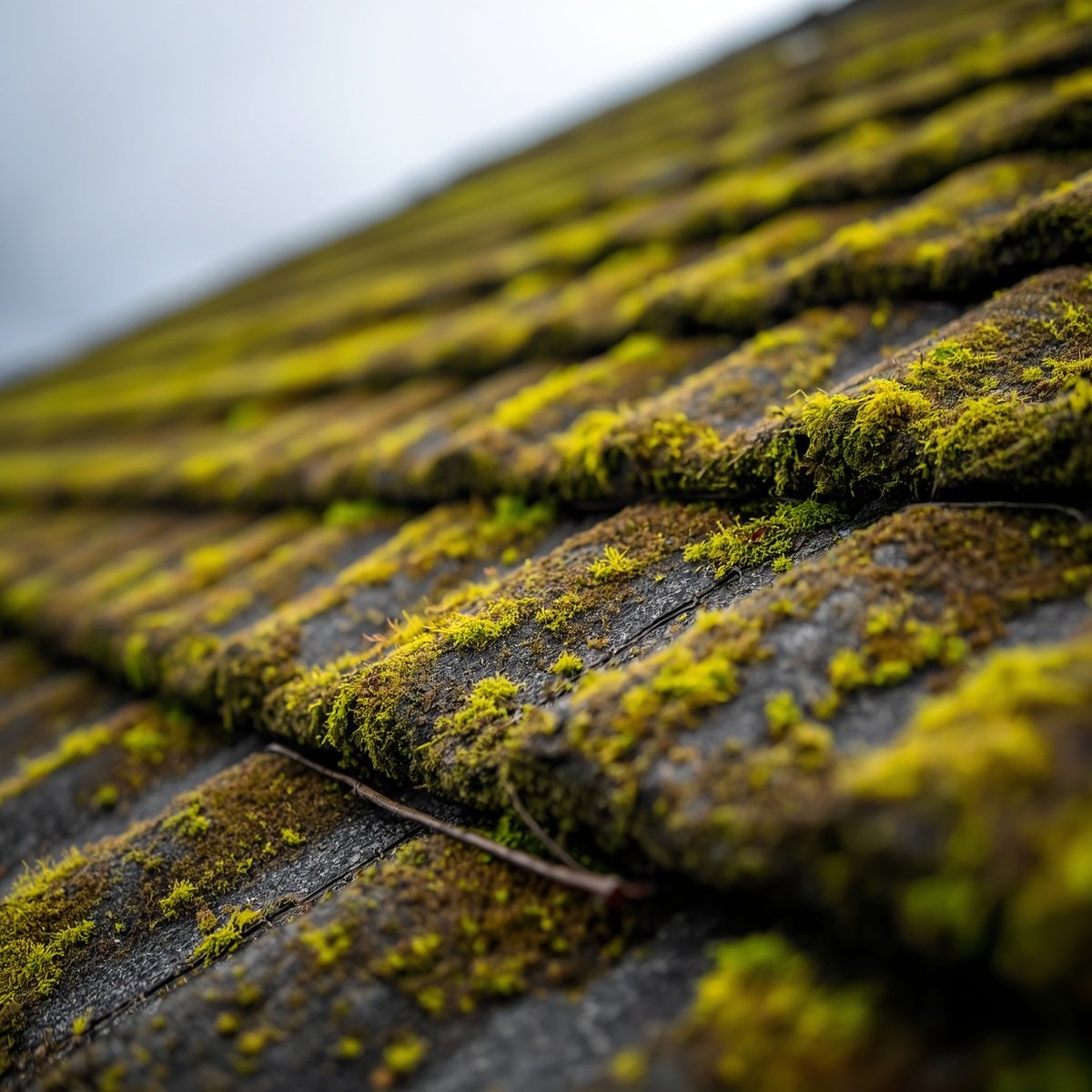
Why Moss Takes Over Coastal BC Roofs — and What It Costs You
Drive around the coast, and you'll see it everywhere — green moss spreading across roofs like a carpet. It's so common here that many homeowners treat it as normal, but moss is quietly hard on a roof, and the wet coastal climate is practically designed to grow it. Understanding why moss thrives on coastal British Columbia roofs explains both why it keeps coming back and why it's worth managing before it shortens your roof's life.
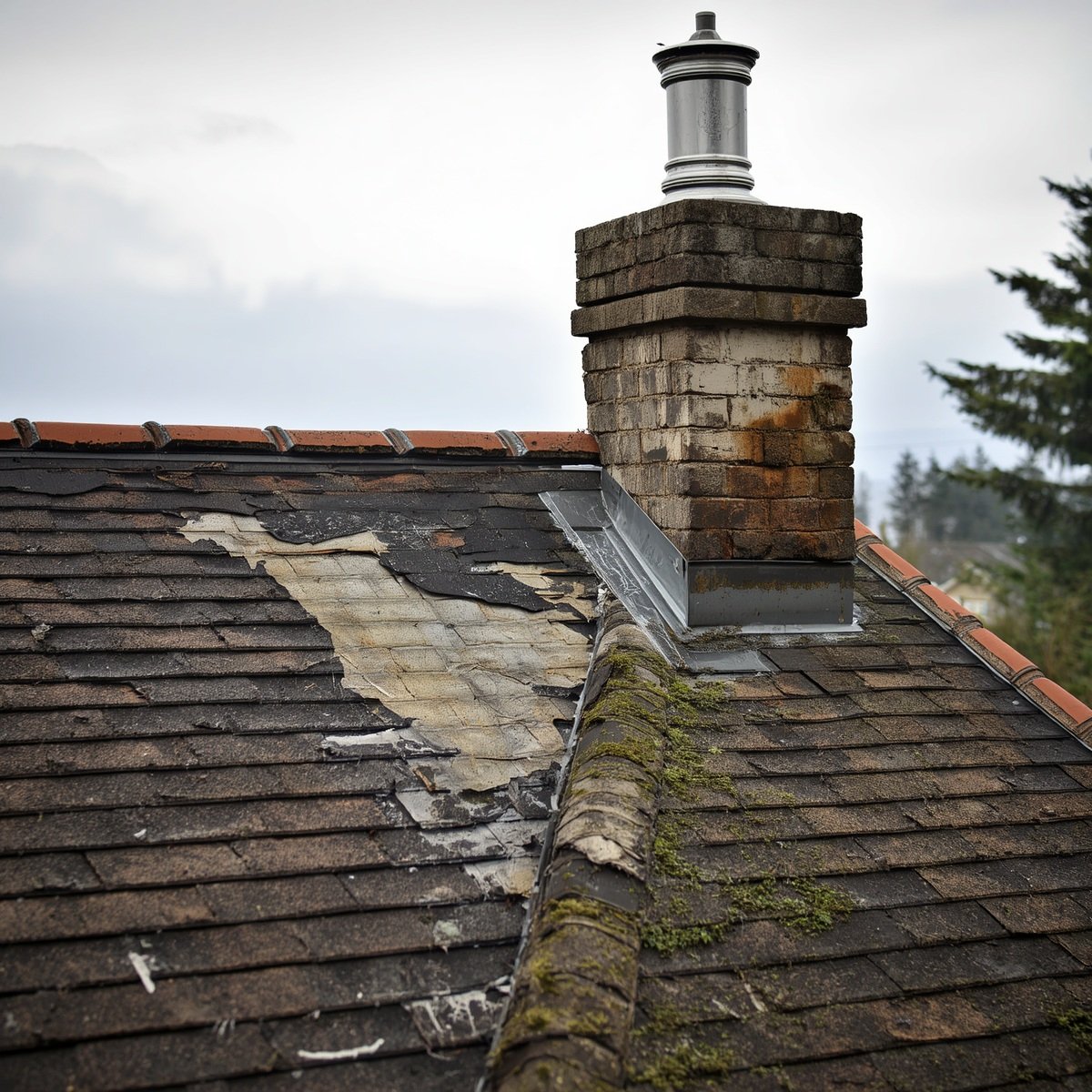
6 Signs Your Vancouver Island Roof Needs Repair or Replacement
On the coast, a roof works hard. Constant rain, damp, and moss test it year-round, and the wet climate means problems develop faster than in a dry one. The trouble is that a roof usually shows its age quietly — until water appears on a ceiling. Learning to read the signs lets you catch a failing roof while it's still a repair, before the coastal weather finds the weak spot for you. Here is what to watch for on a Vancouver Island roof.