
Flat Roof First Aid When Drips Sneak Inside
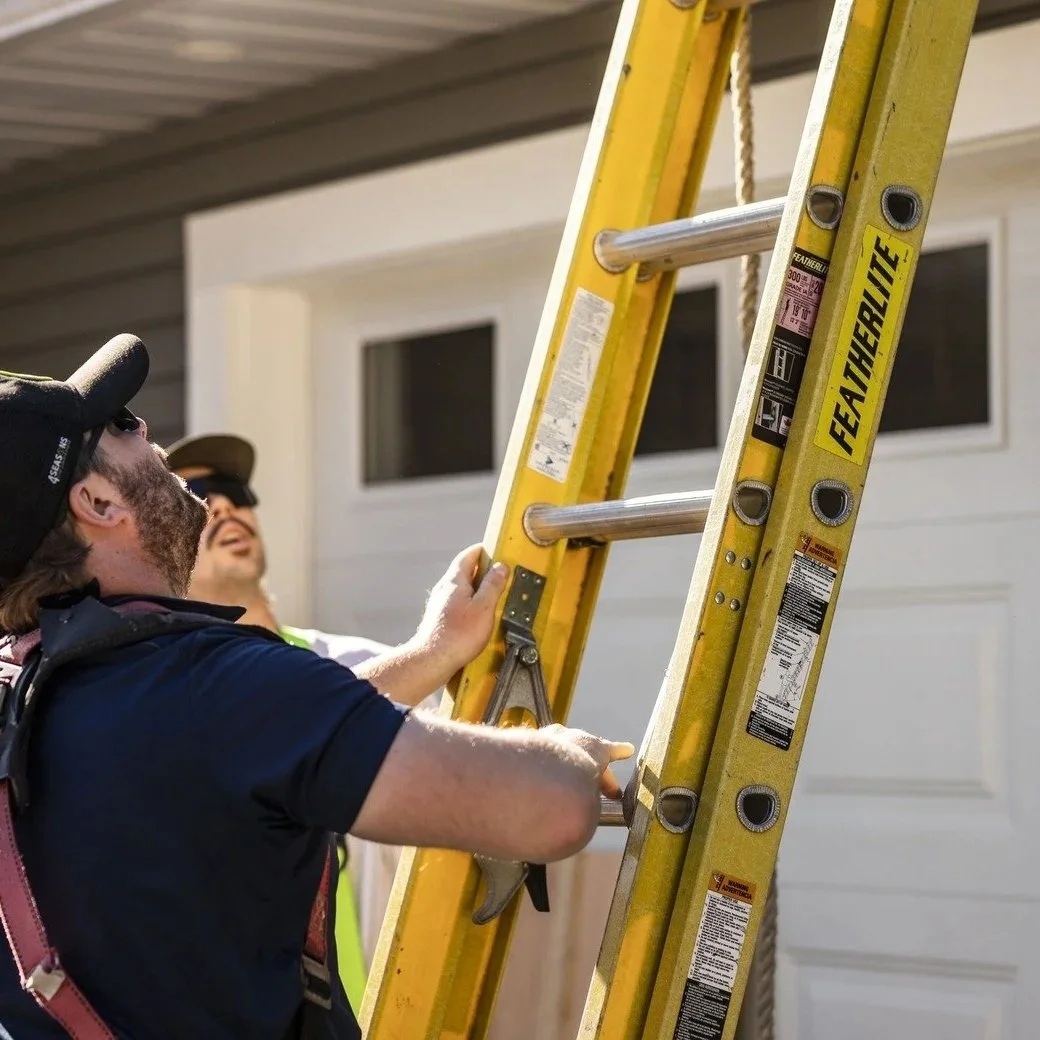
Professional roofing crews use a mix of experience, tools, and rooftop acrobatics to chase down the source and put a lid on the problem.
Nothing says "hello" quite like a drip from the ceiling. It could be a slow plink into a cereal bowl or a full-blown trickle down the wall. Either way, flat roof leaks always arrive unannounced and rarely leave without backup. Water intrusion on a flat roof doesn't always mean disaster, but it does call for quick, professional attention before that small drip turns into ceiling stew.
Flat roof repairs are not a guessing game. While a leak may look minor on the inside, the journey water takes to get there could involve seams, flashing, drainage points, or hidden membrane issues. Professional roofing crews use a mix of experience, tools, and rooftop acrobatics to chase down the source and put a lid on the problem.
Why Flat Roofs Are Sneaky Like That
Flat roofs often hide their problems until water has made a solid effort to travel sideways. With minimal slope and large surface area, leaks don't always follow the laws of gravity as you'd expect. By the time water appears indoors, it could've wandered a good distance from its point of entry.
That makes detection a bit like detective work. Professionals look for clues around scuppers, parapets, roof penetrations, HVAC units, and expansion joints. The membrane might look fine at first glance, but even a tiny puncture can become a welcome mat for rainwater.
Membranes That Age Like Milk, Not Wine
Flat roofing systems like TPO, EPDM, and modified bitumen all have lifespans, and, like anything left in the sun too long, they eventually wear thin. UV exposure, temperature fluctuations, and foot traffic can cause bubbling, cracking, or seam separation. Once that top layer loses flexibility or becomes brittle, water seeps in faster than you can say "that's not condensation."
Professionals perform tactile inspections during repairs, gently pressing areas around seams, drains, and penetrations to check for softness or separation. It's part science, part art, and part very good footwear. Spotting compromised membrane early keeps costs low and your ceilings dry.
Where the Water Likes to Linger
The usual suspects for flat roof leaks tend to show up in familiar places. Flashing around roof penetrations can peel away, leaving gaps where rain sneaks in. Drains can clog with leaves, gravel, or mystery debris, causing water to pool and slowly press into seams. Parapet walls sometimes shift just enough to crack the seal between the roof and the structure.
Ponding water is a big red flag. If water sits around for more than 48 hours after a storm, it's basically issuing a leak invitation. Professionals check for low spots and blocked outlets during flat roof repairs, often recommending tapered insulation or improved drainage to correct the problem long-term.
Sealants Are Not Forever Friends
Sealants might look solid for years, but weather eventually wears down their loyalty. Over time, UV light, freeze-thaw cycles, and general rooftop drama break down their elasticity. That means your once-sturdy seam or flashing edge may quietly crack open, rolling out the welcome mat for water.
During repair calls, roofers inspect every sealant joint with fresh eyes. If it crumbles at the touch or has separated from the surface, it's time for replacement. Resealing with the right materials (and not just slapping on the first goo from a hardware store shelf) makes all the difference in repair longevity.
When Flashing Fails the Assignment
Flashing is supposed to protect vulnerable transition points between roof materials and structures, such as skylights, vents, or HVAC units. Unfortunately, even high-quality flashing can fail under movement or poor installation. Metal flashing can warp over time, while membrane-based flashing can peel or blister.
Repairing failed flashing isn't a casual affair. Professionals may remove the compromised area, clean the surface, and apply new flashing with proper overlap and adhesives. It's not glamorous work, but it stops water from sliding in where it shouldn't.
Why DIY Patching Rarely Ends Well
Everyone loves a good home improvement moment, but flat roof repairs are not the place to channel inner creativity. Most temporary patches only solve the symptom, not the source. Slapping roofing cement over a damp area without addressing the underlying damage can trap moisture, worsening the problem.
Professional repairs focus on membrane compatibility, surface prep, and pressure bonding. It's less about patching the hole and more about restoring the protective layers that keep water out in the first place. Think of it like surgery, not band-aids.
Moisture Under the Surface Does Real Damage
Water doesn't stop once it sneaks under the membrane. Moisture trapped beneath a flat roof system can soak insulation, rust metal decking, and promote mold growth. That kind of hidden damage adds weight to the roof, reduces energy efficiency, and makes the repair job much more complicated.
Professional flat roof repair crews may use infrared imaging or core sampling to assess moisture levels without tearing open the roof. Once the wet spots are located, they'll remove and replace damaged sections, dry the area, and rebuild the membrane in layers. No shortcuts. No surprises.
Why Prompt Repairs Save More Than Money
Delaying flat roof repairs doesn't just risk bigger bills. It invites structural trouble. Sagging ceilings, damaged drywall, and ruined insulation are common consequences of roof leaks left unchecked. Not to mention the risk to electrical systems, flooring, and furniture.
Repair crews can often stop a leak the same day it's detected, especially when the call comes early. Faster action means fewer water stains, less interior cleanup, and a happier relationship with your building envelope.
When Flat Roof Repairs Turn Into Replacements
Sometimes, repair isn't the right call. If a flat roof is near the end of its life span or has suffered widespread damage, a full replacement might be more cost-effective than a series of patch jobs. Telltale signs include membrane shrinkage, recurring leaks, extensive ponding, and soft insulation across multiple areas.
Contractors weigh the cost of repeated repairs against the price of a new roof. If the math points toward starting fresh, they'll guide homeowners through options for modern systems, upgraded insulation, and improved drainage.
Roof Inspection Schedules That Make a Difference
Routine inspections are the best medicine for a flat roof's long life. Professionals recommend twice-yearly checkups, ideally in spring and fall. That way, issues from seasonal weather extremes can be addressed before they escalate.
During inspections, roofers clean debris from drains, reseal suspect areas, test membrane flexibility, and review flashing. It's a manageable service visit that helps avoid major surprises. Many roofing companies offer service plans that include these inspections, keeping things simple and predictable.
The Role of Building Movement and Expansion
Flat roofs don't just sit still. Buildings shift, expand, and contract in response to temperature and ground movement. All those subtle movements affect how roof membranes and flashings behave. Over time, what started as a sealed seam can become a stretched-out mess.
Professionals account for this by using expansion joints, flexible flashings, and slip sheets during repairs. It's not just about today's leak. It's about futureproofing against the next stretch or shift that might create new vulnerabilities.
Why Not All Roofers Do Flat Roofs Well
Flat roofs require a specific skill set. Not every roofer trained on shingled slopes can pivot smoothly into membrane welding and tapered insulation strategy. Materials like TPO and EPDM require specialized installation methods, and warranty coverage often depends on using certified installers.
Homeowners benefit from hiring specialists with experience in flat roof repair. That means cleaner seams, better drainage planning, and repairs that actually last. Ask about previous projects, manufacturer certifications, and what kind of diagnostic tools they use.
Flat Roof Repairs That Keep Their Cool
Flat roofs have always been the strong, silent type. But when they need attention, the response should be calm, methodical, and rooted in professional know-how. Small drips can lead to big headaches if ignored. With the right contractor and a timely repair approach, the roof stays strong, the inside stays dry, and the only thing that should be dripping is your coffee.
3D Established Roofing is committed to delivering high-quality flat roof installation and repairs, GAF shingle roof installation and replacement, gutter installation and repair, residential roof repairs, and storm damage and emergency roof repairs. Serving Nanaimo and the surrounding areas, we only use reliable materials and reliable installation methods. Fully licensed and insured. Call today!