
Patchwork Magic Keeps Your Roof Happy
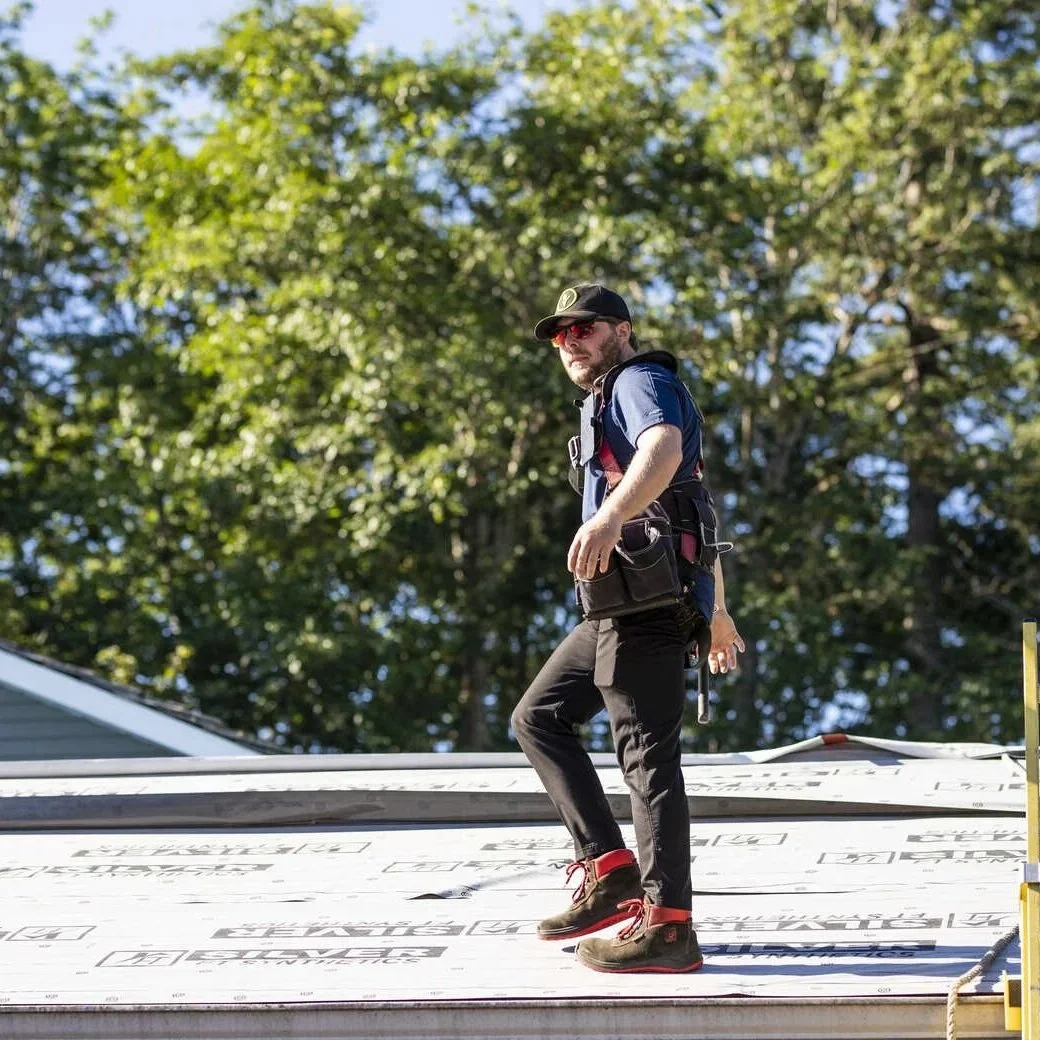
Residential roof repairs let professionals address problems precisely where they start, saving homeowners from jumping into a full-roof commitment before it's necessary.
Roofs can be dramatic, but not every issue calls for a total replacement. Sometimes, a bit of patchwork magic is all it takes to bring things back into balance. Residential roof repairs let professionals address problems precisely where they start, saving homeowners from jumping into a full-roof commitment before it's necessary.
A few cracked shingles, a sneaky leak near the chimney, or a flash of exposed underlayment can usually be handled with well-placed repairs. For professionals, it's not just about fixing the damage. It's about diagnosing the cause and choosing the best solution to keep the roof happy and the home protected.
Signs That Call for a Little Roof TLC
When shingles start curling at the edges or disappear after a windy night, they're not just misbehaving for fun. Missing or damaged shingles let water sneak in, which creates bigger issues down the road. Residential roof repairs give contractors a chance to correct the problem before it spreads.
Water spots on the ceiling, discoloration on the fascia, or granules collecting in the gutters also point to wear. A professional inspection helps identify these early warning signs before they turn into full-blown roofing drama.
Matching Shingles Like a Pro
Nothing ruins patchwork like a bad match. A shingle that almost matches sticks out like a sore thumb. Professionals carry shingle samples, cross-reference manufacturer batches, and work their magic to make the patch blend in with the original roof.
Older roofs with faded shingles might pose a challenge, but with the right eye for tone and texture, even aged roofs can be repaired with style. It's not about perfect symmetry. It's about making repairs that don't shout, "Hey, look at me."
The Importance of Flashing in the Leak Game
When a leak occurs, the blame often falls on the shingles. In reality, the flashing is often the real culprit. Around chimneys, vents, and skylights, flashing keeps water out. If it's rusted, loose, or poorly installed, trouble follows.
Professionals evaluate flashing during every repair job. Sometimes it only needs resealing. Other times, full replacement is the better choice. A little extra attention in these areas helps homeowners avoid water-damaged walls or insulation that smells like a swamp.
The Gentle Power of Spot Re-Decking
Underneath every shingle is the roof deck. If moisture has been sneaking in for a while, the wood below might start to soften or rot. Full replacement isn't always needed. Professionals can remove just enough shingles to replace the affected decking section, then restore the outer layers.
That surgical approach keeps costs down and reduces disruption. It's the roofing equivalent of replacing a squeaky floorboard without ripping up the whole room. Clean, efficient, and highly effective.
Sealing Nail Pops Before They Invite Trouble
Nail pops aren't just an eyesore. They create tiny gaps where water can enter, especially during heavy rains or freeze-thaw cycles. Shingles that bulge or lift around the nails signal a potential problem bubbling under the surface.
Contractors deal with nail pops by removing affected shingles, securing the fasteners, and properly sealing the area before installing new shingles. It's a small fix with a big impact when done early enough.
Gutter Connections That Play Nice with the Roof
Gutters and roofs need to work together. When gutters pull away or clog, water backs up under the shingles instead of flowing off the roof as it should. That trapped water finds every gap, crack, or vulnerable edge.
During residential roof repairs, professionals often inspect gutters to confirm they're functioning properly. Repositioning gutters, installing drip edges, or simply clearing debris can give the roof a break and prevent future issues from creeping in.
Vent Boot Repairs That Stop the Sneaky Leaks
Pipe and vent boots may not look glamorous, but they play a vital role in sealing out moisture where plumbing or exhaust pipes exit the roof. Over time, those rubber or plastic boots crack and deteriorate.
A leak around a vent might seem mysterious until someone climbs up to find a brittle old boot letting water through. Swapping out a vent boot is quick work for professionals and instantly prevents further damage below.
Patch Repairs After Storm Shenanigans
Strong wind and hail often leave behind torn shingles, exposed nails, or bruised surfaces. Not every storm calls for a full replacement, but ignoring the damage can invite bigger problems over time.
Professionals assess storm damage with a trained eye, identifying subtle issues like lifted shingle tabs, hidden cracks, or displaced flashing. Quick patch repairs protect the roof's integrity and restore performance without redoing the entire surface.
Algae, Moss, and the Cosmetic Fixes That Matter
Shingles with dark streaks or moss growth may not be leaking, but they definitely drag down the home's appearance. Algae-resistant shingles help in the long run, but for roofs already showing signs of organic takeover, professional treatment is the next step.
Contractors can safely clean affected areas and replace shingles that have lost their texture or protective granules. Sometimes, a cosmetic fix is all a roof needs to look good and keep functioning properly.
Blending Repairs with High-Definition Shingles
Modern shingles come in dimensional styles with multiple tones per shingle. Matching those during residential roof repairs takes a trained eye and a little luck. When done right, the patched section fades into the overall roofline.
Some manufacturers offer spare bundles in smaller quantities for repair work. Professionals keep track of shingle names, colors, and production runs to ensure patchwork is seamless and satisfies even the pickiest homeowner.
Sealants That Add a Layer of Confidence
Not every repair requires complete shingle replacement. Sometimes a professional-grade sealant or flashing tape can do the trick. Around nail heads, under lifted tabs, or in small cracks, those touches help extend the life of a roof section without removing layers.
Professionals use sealants with care. Too much makes a mess. Too little doesn't solve anything. Applied just right, sealant becomes the invisible hero of roof longevity.
Why Minor Repairs Deserve Major Attention
A small leak may not flood the house today, but it quietly chips away at insulation, drywall, and structural materials with each passing season. Regular roof inspections and timely repairs help homeowners avoid costly repairs later.
Residential roof repairs offer a proactive solution. They preserve what's working, extend the roof's lifespan, and keep the budget in check. For families not quite ready for full replacement, patchwork brings peace of mind without the big price tag.
Communication That Builds Confidence
Homeowners appreciate honesty and clarity. When professionals explain the repair plan, walk through the options, and follow through on timing, it builds trust. Nobody likes mystery quotes or surprise costs.
A successful roof repair often ends with a happy homeowner saying, "That wasn't so bad." That phrase is music to a contractor's ears and the kind of feedback that keeps the phone ringing with referrals.
Patchwork That Makes a Big Impact
Residential roof repairs might feel like small jobs on paper, but their impact is huge. A single repair can stop a leak, save a ceiling, and extend a roof's life by years. With the right materials, a trained eye, and a ladder or two, patchwork becomes an art form that keeps roofs happy and homeowners relieved.
3D Established Roofing offers GAF shingle roof installation and replacement, residential roof installation and replacement, and residential roof repairs in Nanaimo and the surrounding areas. Fully licensed and insured, we offer 50-year GAF warranty. Call now for a free estimate.