
How Coastal Rain and Salt Air Quietly Wear Out Your Roof
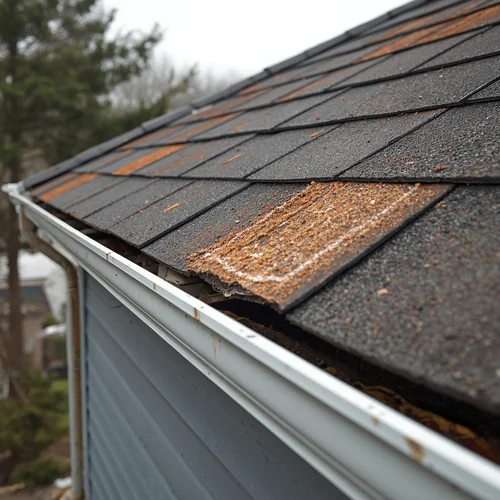
Quick Answer: Coastal conditions wear a roof faster than a dry climate through several forces working together: constant rain and damp keep the roof wet and drive moisture into any weak point, moss thrives in that damp and lifts and loosens shingles, and salt air corrodes the metal components — flashing, fasteners, gutters. The result is faster shingle wear, more leaks, corroded hardware, and a shorter roof life overall. Protecting a coastal roof means choosing suitable materials, keeping moss and debris managed, maintaining flashing and drainage, and inspecting regularly, especially after the wet season.
Roofs on the coast don't last as long as the same roof would inland, and it's not bad luck — it's the climate. Constant rain, persistent moss, and salt-laden air each work on a roof in their own way, and together they wear it down faster than a dry environment ever would. Understanding how coastal conditions degrade a roof explains why coastal roofs need more attention and what actually protects them. Here's what the coast does to a roof, and how to fight back.
The Coast Attacks a Roof From Several Directions
A roof inland mostly contends with sun and the occasional storm. A coastal roof faces a combination of forces at once — moisture, moss, and salt — each degrading it in a different way, and the overlap is what makes coastal conditions so hard on roofing. To protect a roof here, it helps to understand each force, because they call for different defenses. Treat the coast as the active, year-round adversary it is, and the maintenance a coastal roof needs starts to make sense.
Constant Rain and Damp
Moisture is the foundational problem. Frequent, heavy rain and damp air keep a coastal roof wet for much of the year, and that constant moisture relentlessly attacks the roofing. Water seeks out any weak point — a worn shingle, a cracked seam, a gap in flashing — and works its way in. Persistent dampness accelerates the breakdown of roofing materials and feeds the rot and decay that follow water intrusion. A roof that rarely gets a chance to fully dry simply wears faster, and any small flaw becomes an entry point sooner than it would in a dry climate.
Moss and Organic Growth
The damp that rain creates also grows moss, and moss is hard on a roof in its own right. Thriving in the constant moisture and shade, moss takes root between and under shingles, holds water against the roof surface, and lifts and loosens shingles as it grows. That breaks the watertight surface and creates gaps for water, accelerating wear and leading to leaks. So moisture does double damage on the coast: it degrades the roof directly and promotes the growth of moss that degrades it further. Managing moss is a core part of coastal roof care.
Salt Air and Corrosion
Near the water, the air carries salt, and salt is corrosive to metal. The metal components of a roof — flashing, fasteners, nails, gutters, and any metal hardware — are vulnerable to salt-air corrosion, which weakens and degrades them over time. Corroded flashing fails to seal the joints it protects, leading to leaks, and corroded fasteners lose their hold. This salt-driven corrosion is a coastal-specific force that inland roofs largely escape, and it's why metal components on coastal roofs need attention and suitable, corrosion-resistant materials.
| Coastal force | How it wears the roof |
|---|---|
| Constant rain and damp | Keeps roof wet, drives moisture into weak points, feeds rot |
| Moss and organic growth | Holds water, lifts and loosens shingles, causes leaks |
| Salt air | Corrodes flashing, fasteners, and gutters, causing failures |
How to Protect a Coastal Roof
Because the coast wears a roof from several directions, protecting it takes a few coordinated steps. Choosing materials suited to coastal conditions — including corrosion-resistant metal components and roofing that handles moisture and resists moss well — gives the roof a stronger starting point. Keeping moss and debris managed stops moss from taking hold and holding moisture against the roof, and keeps drains and gutters clear, so water sheds away. Maintaining the flashing and roof drainage addresses the areas where salt corrosion and water intrusion cause the most damage. And regular inspections, especially after the wet season, catch developing problems — worn shingles, moss, corroding flashing — while they're still small. None of this stops the coastal climate, but together it slows the wear and extends the roof's life considerably. A professional roofer familiar with coastal conditions can help with materials, maintenance, and inspections suited to the environment.
Schedule a roof inspection after the wet season each year. That's when constant rain, moss growth, and salt exposure have done their most recent damage, so it's the best time to catch worn shingles, moss footholds, and corroding flashing before they turn into leaks over the next rainy stretch.
Frequently Asked Questions
Because coastal conditions attack a roof from several directions at once. Constant rain and damp keep the roof wet and drive moisture into any weak point, moss thrives in that damp and lifts and loosens shingles, and salt air corrodes the metal components like flashing and fasteners. Each force degrades the roof in its own way, and together they wear it faster than a dry inland climate would. That combination is why coastal roofs need more maintenance and tend to have shorter lifespans.
Salt air is corrosive to metal, so it attacks the metal components of a roof — flashing, fasteners, nails, gutters, and other hardware — weakening and degrading them over time. Corroded flashing stops sealing the joints it's meant to protect, which leads to leaks, and corroded fasteners lose their grip. This salt-driven corrosion is a coastal-specific problem that inland roofs largely avoid, which is why coastal roofs benefit from corrosion-resistant materials and regular attention to their metal parts.
Yes. Frequent rain and damp air keep a coastal roof wet for much of the year, and that constant moisture works on the roofing relentlessly — seeking out weak points, working into seams and gaps, and feeding rot and decay. A roof that rarely dries fully wears faster, and small flaws become entry points sooner than in a dry climate. The persistent moisture also promotes the growth of moss, which causes further damage. Together, coastal moisture meaningfully shortens a roof's life compared to a drier environment.
Several coordinated steps help: choose materials suited to coastal conditions, including corrosion-resistant metal components and moss-resistant roofing; keep moss and debris managed so moss can't take hold and hold moisture; maintain the flashing and the roof's drainage where corrosion and water intrusion do the most harm; and inspect regularly, especially after the wet season, to catch worn shingles, moss, and corroding flashing early. None of this stops the climate, but together it slows the wear and extends the roof's life considerably.
Inspecting after the wet season each year is a good habit, plus a look after any major storm. That timing catches the damage from the most recent stretch of constant rain, moss growth, and salt exposure while problems are still small. Because coastal conditions wear a roof more quickly than in a dry climate, regular inspections matter more here, letting you address worn shingles, moss footholds, and corroding flashing before they lead to leaks during the next rainy period.
Slow the Wear the Coast Causes
Coastal rain, moss, and salt air each wear a roof in their own way — moisture keeps it wet and drives into weak points, moss lifts and loosens shingles, and salt corrodes the metal that seals and holds the roof together. Together, they shorten a coastal roof's life well beyond what an inland roof faces. You can't change the climate, but suitable materials, managed moss and debris, maintained flashing and drainage, and regular inspections after the wet season slow the wear considerably. Treat the coast as the constant adversary it is, and your roof holds up far longer against it.
Want your coastal roof to last longer against rain, moss, and salt? — Get materials, maintenance, and inspections suited to the coast from a family-run, certified team. 3D Established Roofing serves Nanaimo, Lantzville, Parksville. Call (236) 508-8008.
