
6 Signs Your Vancouver Island Roof Needs Repair or Replacement
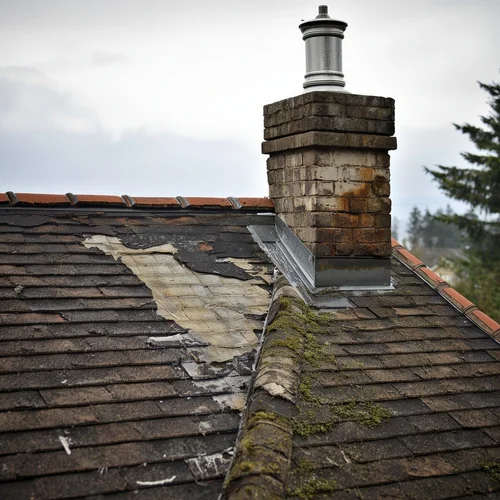
Quick Answer: A roof needs attention when you see missing, cracked, or curling shingles, granules collecting in the gutters, heavy moss growth, water stains on ceilings or moisture in the attic, sagging areas, and worn flashing around chimneys and vents. On the wet coast, moss and constant moisture accelerate wear, so these show up faster. Isolated damage on a sound roof is usually a repair; widespread wear or an aging roof near the end of its life points to replacement. Catching the signs early, especially after the rainy season, keeps a small fix from becoming interior water damage.
On the coast, a roof works hard. Constant rain, damp, and moss test it year-round, and the wet climate means problems develop faster than in a dry one. The trouble is that a roof usually shows its age quietly — until water appears on a ceiling. Learning to read the signs lets you catch a failing roof while it's still a repair, before the coastal weather finds the weak spot for you. Here is what to watch for on a Vancouver Island roof.
A Coastal Roof Wears From the Top and the Inside
A roof protects everything below it, so when it starts to fail, the signs appear both on the surface and inside the home. Shingles wear and let go; moss takes hold and loosens the material; flashing degrades; and water finds its way in. Some signs you spot from the ground or the gutters, others from the attic or the ceilings. On the wet coast, moisture and moss speed all of this up, so the signs deserve attention sooner. Read them together, and they tell you not just that something's wrong, but whether it's a spot repair or a roof reaching the end of its life.
Signs You Can See From Outside
Missing, Cracked, or Curling Shingles
Damaged shingles are the most visible warning. Shingles that are missing, cracked, curling, or buckling have lost their ability to shed water, leaving the roof exposed underneath. A few damaged shingles can often be repaired; widespread curling and cracking across the roof usually signal age and point toward replacement.
Heavy Moss Growth
On the coast, moss is more than a cosmetic issue. It thrives in the damp, takes root between and under shingles, holds moisture against the roof, and can lift and work shingles loose over time. Heavy moss growth is a sign the roof needs attention — both to remove the moss and to assess what it has already done to the shingles beneath.
Granules in the Gutters
Asphalt shingles shed protective granules as they age, and those granules collect in the gutters as a gritty buildup. Finding a lot of them, or bald spots on the shingles, means the shingles are wearing out.
Sagging Areas
A roofline should be straight. Sagging or dipping sections indicate a structural problem beneath the surface — often moisture damage or rot, which the wet climate encourages. Sagging is serious and needs prompt professional attention.
Worn or Damaged Flashing
Flashing seals the joints around chimneys, vents, and valleys — the spots most likely to leak. Cracked, lifted, or corroded flashing lets water in at these vulnerable points, and salt-laden coastal air can accelerate corrosion. Flashing problems are a common leak source and often repairable when caught early.
Signs You'll Find Inside
Water stains on ceilings or walls, damp spots, or active drips mean water is already getting through. In the attic, look for moisture on the underside of the roof, wet insulation, daylight through the boards, or soft, stained wood. In a wet climate, the attic often shows roof problems early, so a check after the rainy season is worthwhile. Interior signs warrant prompt investigation before the damage spreads.
| Sign | Where | Repair or replace leaning |
|---|---|---|
| A few damaged shingles | Roof surface | Repair (if roof is sound) |
| Widespread curling, balding | Roof surface | Replace — age and wear |
| Heavy moss growth | Roof surface | Treat; assess shingles beneath |
| Granules in gutters | Gutters | Aging roof; assess |
| Sagging roofline | Roof surface | Replace/structural — urgent |
| Ceiling stains, attic moisture | Inside | Investigate now |
Repair or Replace?
The signs point to the answer. Isolated damage — a few shingles, a worn section of flashing, a single leak — on a roof that's otherwise sound and within its service life usually calls for a repair. Widespread signs — curling and balding across the whole roof, heavy moss and the damage it's caused, multiple leaks, sagging, and an age near the end of the roof's lifespan — point to replacement, because patching one spot won't save a roof failing everywhere. On the coast, the relentless moisture and moss tend to push roofs toward the end of their lives sooner, so age weighs heavily. A professional inspection, especially after the wet season, gives an honest read on which path fits.
Check your roof after the rainy season, and look in three places: the surface from the ground for damage and moss, the gutters for granules, and the attic for moisture or daylight. On the coast, catching a sign in the attic or spotting heavy moss early often means fixing it before it ever reaches your ceiling.
Frequently Asked Questions
It depends on how widespread the damage is and how old the roof is. Isolated problems — a few missing shingles, one leak, worn flashing — on a roof still within its service life are usually repairable. Widespread wear, such as curling and balding shingles, heavy moss damage, multiple leaks, sagging, or a roof near the end of its lifespan, points to replacement. On the wet coast, moisture and moss can shorten a roof's life, so age matters. A professional inspection gives the clearest answer.
On the coast, yes, it can be. Moss thrives in damp conditions and does more than look unsightly — it takes root between and under shingles, traps moisture against the roof, and can lift and loosen shingles over time, leading to leaks and accelerated wear. Heavy moss growth is a sign that the roof needs attention, both to remove the moss properly and to assess any damage it has caused beneath. Left unchecked, moss shortens a roof's life in a wet climate.
Granules are the protective coating on asphalt shingles, and finding them collecting in your gutters means the shingles are shedding them as they age. Some loss is normal early on, but heavy amounts or bald spots on the shingles indicate the shingles are wearing out and losing their weather protection. Combined with other signs, granule loss suggests the roof is aging and worth having assessed, particularly in a climate where moisture punishes a worn roof quickly.
Sagging is one of the more serious signs because it points to a structural problem underneath — often moisture damage or rot, which the wet coastal climate encourages — rather than simple surface wear. It shouldn't be ignored. A sagging or dipping roofline warrants prompt professional attention to find the cause and prevent further damage. Because moisture drives this kind of structural decline on the coast, catching and addressing sagging early is especially important here.
Checking after the rainy season is a good habit, since that's when constant moisture has had the most chance to find weak spots, plus a look after any major storm. The wet coastal climate, with its rain, damp, and moss, wears on roofs more quickly than a dry one, so regular checks catch developing problems before they become leaks. A professional inspection is especially worthwhile if you spot heavy moss, damaged shingles, or any interior moisture.
Catch the Signs Before the Ceiling Does
A coastal roof gives plenty of warning before it fails — damaged shingles, heavy moss, granules in the gutters, sagging, worn flashing, and the interior stains and attic moisture that mean water is already in. Whether you repair or replace depends on how widespread the wear is and how old the roof is: isolated damage on a sound roof is a repair, while roof-wide wear near the end of its life warrants replacement. On Vancouver Island's wet coast, where moisture and moss accelerate everything, checking after the rainy season catches the signs while they're still a fix.
Spotting damaged shingles, heavy moss, or ceiling stains? — Get an honest roof inspection and repair-or-replacement guidance from a family-run, certified team. 3D Established Roofing serves Nanaimo, Lantzville, Parksville. Call (236) 508-8008.
