
Why Moss Takes Over Coastal BC Roofs — and What It Costs You
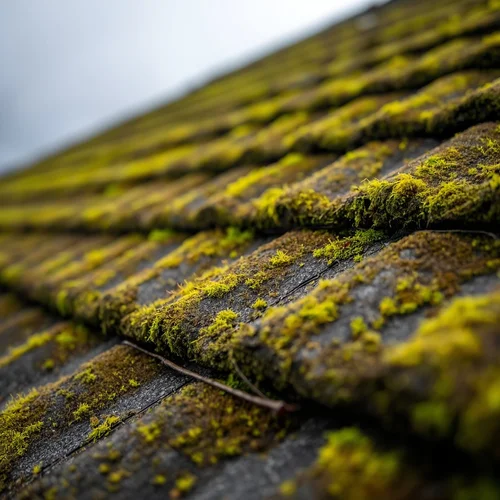
Quick Answer: Moss grows on coastal British Columbia roofs because the climate gives it everything it needs: constant moisture from heavy rain and damp air, shade from trees and north-facing slopes, and mild temperatures year-round. Roofs that stay wet and shaded are ideal moss habitat. It matters because moss isn't just cosmetic — it holds moisture against the roof, takes root between and under shingles, and lifts and loosens them over time, leading to leaks and a shorter roof life. Managing it means removing moss properly, improving drying and drainage, and keeping it from coming back.
Drive around the coast, and you'll see it everywhere — green moss spreading across roofs like a carpet. It's so common here that many homeowners treat it as normal, but moss is quietly hard on a roof, and the wet coastal climate is practically designed to grow it. Understanding why moss thrives on coastal British Columbia roofs explains both why it keeps coming back and why it's worth managing before it shortens your roof's life.
The Coast Gives Moss Everything It Needs
Moss isn't random — it grows where conditions favor it, and the coast supplies all of them. Moss needs moisture, shade, and mild temperatures to thrive, and a coastal British Columbia roof offers a steady supply of each. Heavy rainfall and damp air keep roofs wet for much of the year. Tree cover and north-facing slopes keep parts of the roof shaded, so they dry slowly and stay damp. And the mild, frost-light climate means moss can grow nearly year-round rather than dying back in a hard winter. Put those together, and a coastal roof is close to ideal moss habitat, which is why it's so widespread here.
Why Some Spots Grow More Moss
Moss doesn't usually cover a roof evenly — it favors the dampest, shadiest areas. North-facing slopes that get less sun stay wet longer and grow the most moss. Sections shaded by overhanging trees, or kept damp by leaves and debris, are prime spots. Areas where water lingers rather than draining quickly also hold the moisture moss needs. So the moss pattern on a roof is really a map of where it stays wet and shaded longest — and those are the spots to watch.
Why Moss Is Hard on a Roof
This is the part homeowners underestimate. Moss isn't a harmless green layer; it actively works against the roof.
Moss holds moisture against the roof surface, keeping shingles damp far longer than they should be, which accelerates wear and decay. As it grows, it takes root between and under the shingles, and as that growth expands, it can lift and loosen shingles, breaking the watertight surface and creating gaps where water gets in. Over time, this leads to leaks, damages the shingles, and shortens the roof's life. Heavy moss can also trap debris and hold water in ways that worsen the problem. So moss left to grow doesn't just sit there — it degrades the roof from the surface down.
| Why moss grows | What moss does |
|---|---|
| Constant rain and damp air | Holds moisture against the roof |
| Shade from trees, north slopes | Keeps shingles wet, speeds decay |
| Mild year-round temperatures | Roots between and under shingles |
| Slow-draining, debris-holding spots | Lifts and loosens shingles, causing leaks |
Don't pressure-wash moss off an asphalt-shingle roof. The high pressure strips the protective granules and damages the shingles, doing more harm than the moss. Moss should be removed with gentler, roof-safe methods, and walking a wet, mossy roof is itself a slip hazard best left to professionals.
How to Manage Moss on a Coastal Roof
Because the climate will continue to encourage moss, managing it is an ongoing effort rather than a one-time fix. The approach has a few parts. First, remove existing moss properly — using gentle, roof-safe methods, not high-pressure washing that damages shingles. Second, reduce the conditions moss loves: trimming back overhanging branches to let in more sun and air helps shaded sections dry out, and keeping the roof and gutters clear of leaves and debris removes the damp, organic spots moss favors. Improving how quickly the roof dries and drains makes it less hospitable. And because the coast will keep trying to regrow moss, periodic attention keeps it from regaining a foothold and causing damage. For heavy moss, or to assess what it's already done to the shingles, a professional roofer can remove it safely and check the roof underneath.
Frequently Asked Questions
Because the coastal British Columbia climate gives moss everything it needs to thrive, constant moisture from heavy rain and damp air, shade from trees and north-facing slopes, and mild temperatures year-round that let it grow almost continuously. Roofs that stay wet and shaded are ideal moss habitats. That combination is why moss is so widespread on coastal roofs — the conditions practically cultivate it, especially on the dampest, shadiest sections that dry slowly.
Yes, more than it looks. Moss holds moisture against the roof, keeping shingles damp and accelerating wear, and it takes root between and under shingles, lifting and loosening them as it grows. That breaks the watertight surface and creates gaps where water gets in, leading to leaks and a shorter roof life. So moss isn't just a cosmetic green layer — left to grow, it actively degrades the roof from the surface down, which is why managing it matters.
Moss favors the dampest, shadiest areas, so it grows most where the roof stays wet longest. North-facing slopes get less sun and dry slowly, sections shaded by overhanging trees stay damp, and spots where leaves, debris, or slow drainage hold moisture are prime moss habitat. The uneven moss pattern is essentially a map of where your roof stays wet and shaded. Those are the areas to watch and address, since they'll keep growing moss.
It's not recommended on asphalt shingles. Pressure washing strips the protective granules from the shingles and can damage them, doing more harm than the moss itself. Moss should be removed with gentler, roof-safe methods instead. There's also a safety issue: a wet, mossy roof is slippery and dangerous to walk on. For these reasons, moss removal — especially heavy moss — is best handled with the right methods or by a professional who can do it safely.
Since the coastal climate keeps encouraging moss, prevention is ongoing. Trim back overhanging branches to let more sun and air reach the roof so it dries faster, keep the roof and gutters clear of leaves and debris that hold moisture, and improve drainage so water doesn't linger. These steps make the roof less hospitable to moss. Because the conditions here will keep trying to regrow it, periodic attention is what keeps moss from regaining a foothold and damaging the roof.
Takeaway: Manage the Moss, Protect the Roof
Moss blankets coastal British Columbia roofs because the climate hands it exactly what it needs — constant moisture, shade, and mild temperatures — especially on the damp, shaded sections that dry slowly. It's far from harmless: moss holds water against the roof and roots under the shingles, lifting and loosening them until leaks follow and the roof's life is cut short. Managing it means removing it with roof-safe methods, opening the roof to more sun and airflow, keeping it clear of debris, and staying after it, since the coast will keep growing it back. Handle the moss, and you protect the roof beneath it. On the coast, it's less a one-time chore and more an ongoing, expected part of owning a roof there, but staying ahead of it is far cheaper and easier than paying to replace shingles the moss has quietly ruined from underneath over the years.
Moss taking over your roof? — Get it safely removed and the shingles beneath assessed by a family-run, certified roofing team. 3D Established Roofing serves Nanaimo, Lantzville, Parksville. Call (236) 508-8008.
