
What a Roof Maintenance Program Covers (and Why It Pays)
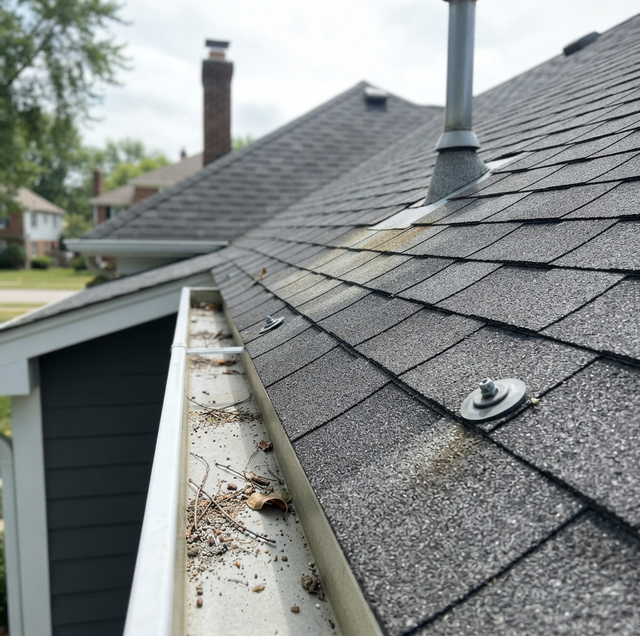
Quick Answer: A roof maintenance program is a recurring service agreement, usually one or two visits a year, where a contractor inspects the roof, clears debris from gutters and valleys, checks and reseals flashing and penetrations, treats moss and algae, tightens loose fasteners, makes minor repairs, and hands you a written report. The point is early detection: a lifted shingle or a hairline crack in sealant costs little to fix on a scheduled visit but becomes an interior leak and rotted decking if it sits for two years. A program also keeps many manufacturer warranties valid, since coverage often depends on proof of regular upkeep.
A roof rarely fails all at once. It fails in slow motion, one small opening at a time, and by the time water shows up on a ceiling, the damage has usually been building for months or years underneath. A maintenance program exists to interrupt that slow slide. Instead of waiting for a problem to announce itself, a contractor comes out on a set schedule, finds the small things while they are still small, and fixes them before they turn into the expensive kind.
That is the whole idea, and it is worth understanding what actually goes into one before deciding whether it fits your home.
Why a Maintenance Program Pays Off
The economics are simple once you follow the chain of events. A shingle lifts at one corner. Wind-driven rain works under it. The felt or synthetic underlayment below gets wet, then the sheathing behind it, then a rafter. Insulation packs down and stops insulating. Eventually a stain appears on drywall two rooms away from where the water actually entered. At that point you are no longer paying to reseat a shingle. You are paying for sheathing, framing, insulation, drywall, and paint, plus the roof repair that started it all.
A scheduled visit catches that shingle at step one. The same logic applies to a pinhole in flashing, a cracked pipe boot, a clogged valley holding standing water, or a lifted section of moss quietly prying shingles apart. None of these are dramatic on their own. All of them get expensive if nobody looks.
Maintenance also stretches how long the roof lasts. A neglected roof in a wet region can lose years off its rated life because moss, trapped moisture, and debris never get managed. A roof on a program tends to reach the far end of its expected lifespan instead of aging out early. Spread the modest annual cost across those extra years, and the math favors the program.
The warranty angle most homeowners miss: Here is the part that surprises people: many manufacturer material warranties carry maintenance conditions. The coverage assumes the roof is kept clear, drained, and repaired promptly. If a claim comes up and the manufacturer sees years of neglected debris, standing water, or unaddressed moss, they can reduce or deny it. A maintenance program with written records is the evidence that upkeep happened. It protects the coverage you already paid for when the roof went on.
What a Maintenance Program Actually Covers
Programs vary between contractors, but a serious one covers the same core ground. Think of it less as a single task and more as a checklist that touches every part of the roof that fails.
Scheduled inspections: The backbone of the program is the visit itself, done on a set cadence rather than only after something goes wrong. A trained eye looks over the field of shingles, the flashings, the penetrations, the drainage, and, where accessible, signs of trouble from inside the attic. Rooftop inspection is fall hazard work handled by a professional with proper equipment and training, not something a homeowner should attempt.
Clearing gutters and valleys: Gutters full of needles and grit cannot move water, so it backs up under the roof edge. Valleys, the lines where two roof planes meet, funnel a lot of water and clog the same way. A program clears both so the roof drains the way it was designed to. In wetter months this is about debris and organic buildup; in drier months dried needles and windblown grit collect just as easily, so it is a year-round concern, not a seasonal one.
Checking and resealing flashing and penetrations: Flashing is the metal that seals the joints where the roof meets a wall, a chimney, or a skylight. Penetrations are anything poking through the roof surface: vent pipes, exhaust stacks, satellite mounts. These transitions are the most common leak points on any roof because sealant ages and metal shifts. Maintenance means inspecting each one and resealing or refastening where the seal has failed.
Moss and algae treatment: In damp conditions, moss takes hold in the shade and holds water against the shingles, and its roots work between them and lift them. Algae leaves dark streaks and feeds on the shingle surface. Treatment during a program keeps growth in check before it does structural harm. Drier stretches slow the growth but do not remove what is already there, so ongoing management matters regardless of the month.
Fastener and sealant checks: Nails and screws back out over time as the roof heats and cools and the wood moves. Exposed fasteners on metal roofs and at flashing points lose their rubber washers. Sealant beads shrink and crack. A visit tightens what is loose, replaces failed washers, and renews sealant before any of it becomes an opening for water.
Minor repairs on the spot: A good program includes small fixes as part of the visit rather than as a separate call: reseating a shingle, replacing a cracked pipe boot, sealing a lifted flashing edge, swapping a failed fastener. These are the repairs that cost almost nothing when caught early and a great deal when ignored.
Documentation: Every visit should end with a written record. That report is both a to-do list and a paper trail, and as noted above, it is what backs up a warranty claim later.
How Often a Roof Needs This
For most homes, one or two visits a year is the working standard, with the heavier visit timed after the season that dumps the most debris and moisture on the roof. Roofs with heavy tree cover, a lot of penetrations, a complex shape with many valleys, or a known history of trouble lean toward twice a year. A simple roof in the open with little overhang can often do well on an annual visit. Age matters too: an older roof nearing the end of its life benefits from closer attention, since it has less margin before a small failure becomes a leak.
A Maintenance Plan Versus a One-Off Repair
These two things are easy to confuse and worth separating clearly.
A one-off repair is reactive. Something has already gone wrong, you notice a symptom, you call, and a contractor fixes that specific problem. It solves what you can see and nothing else. The leak you called about gets fixed; the three developing problems elsewhere on the roof stay hidden until they become their own emergencies.
A maintenance plan is proactive and covers the entire roof. It is a standing agreement to look at the whole roof on a schedule, catch problems you would never have spotted from the ground, and handle the small ones before they grow. The repair pays for a cure after the fact. The plan pays for prevention across the entire roof, plus the records that keep your warranty intact. One addresses a symptom; the other manages the asset.
What the Report Should Include
A maintenance visit is only as useful as the record it leaves behind, so the report is worth scrutinizing. A thorough one should include:
- The date of the visit and the areas inspected, so the history is traceable over time.
- Photos of anything notable, including trouble spots and completed repairs, so you can see the roof without going up.
- A plain description of the roof's overall condition, not just a pass or fail.
- A list of the work performed that day: what was cleared, resealed, tightened, treated, or repaired.
- Any items to monitor or address on the next visit, with a sense of urgency for each.
- Notes that tie back to your warranty requirements, so the record supports a future claim.
Keep every visit report together as a running maintenance file. The dated photos and work notes are your proof the upkeep actually happened, which backs a future warranty claim and adds value if you ever sell the home.
Frequently Asked Questions
Start on day one. The first years are when honoring the manufacturer's maintenance conditions matters most, because a warranty claim early in the roof's life will be scrutinized against those terms. A new roof also settles as fasteners seat and sealant cures, so an early visit catches anything that shifted during that break-in period before it opens up.
Routine wear is covered by the program; sudden storm damage is usually a separate repair, often tied to a homeowner's insurance claim rather than the maintenance agreement. The program still helps here, because the dated inspection reports establish the roof's condition before the storm, which supports an insurance claim by showing the damage was new rather than pre-existing neglect.
No, provided the work is done by a qualified roofing contractor. Warranties are typically voided by unqualified or improper work, not by legitimate professional maintenance. Some manufacturer warranties actually specify that upkeep and repairs be performed by a certified installer, which is another reason to keep the work with a roofing company rather than a general handyman.
The main visit is commonly set for early autumn, once falling leaves and needles have loaded the gutters but before the heaviest wet stretch, so the drainage is clear going into it. A second visit, where a roof calls for two, often lands in spring to clear winter buildup and check for any damage the cold months caused. The timing follows the local debris and weather pattern rather than a fixed calendar date.
Reputable programs treat the gutter system as part of the roof, since a blocked gutter causes roof edge and fascia damage. Downspouts get checked for flow too, because a clear gutter draining into a clogged downspout still overflows. If a program quotes only the roof field and excludes the drainage, that is a gap worth questioning before you sign.
The photo documentation is your check. A legitimate report shows dated, before and after images of the specific work performed, tied to identifiable spots on your roof. Vague reports with no images or generic stock photos are a red flag. You can also spot-check from the ground with binoculars after a visit, looking for cleared gutters and any repairs the report claims were made.
Ask about a maintenance program for your roof — catch small problems before they become leaks. 3D Established Roofing serves Nanaimo, Lantzville, Parksville. Call (236) 508-8008.
